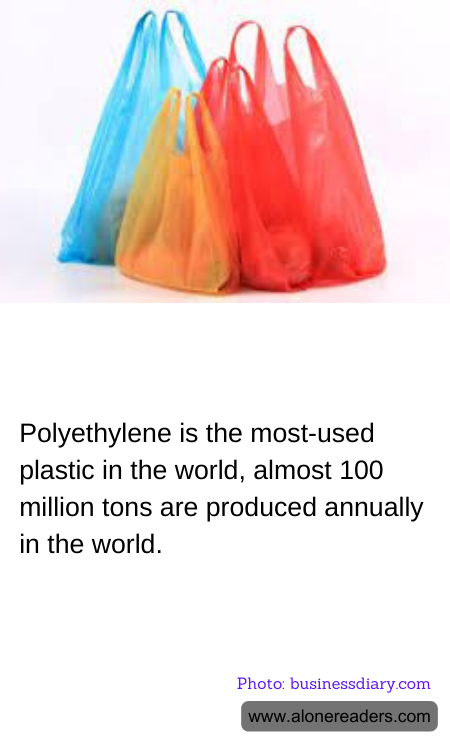
Polyethylene, often abbreviated as PE, holds the title as the most widely utilized plastic globally, with the production volume approaching 100 million tons each year. This prevalence is anchored in its exceptional versatility and economical production process, allowing it to permeate virtually every aspect of modern life. Polyethylene's applications are diverse, ranging from household items like plastic bags and bottles to more industrially scaled uses such as pipelines and plastic parts in automobiles.
One of the main reasons behind polyethylene's broad adoption is its unique properties. It is durable, resistant to moisture and chemicals, and has high ductility, which means it can be transformed into various shapes and forms without losing its integrity. Additionally, it is lightweight, making it ideal for products that benefit from reduced weight, such as packaging materials which help in minimizing transport costs and emissions.
The production of polyethylene also stands out due to its relatively low energy requirements compared to other plastics. This factor, combined with its long lifespan and recyclability, contributes to its popularity among manufacturers looking to minimize environmental footprints. However, despite its recyclable nature, a significant challenge lies in the actual recycling rates and management of polyethylene waste, which often end up in landfills or as litter polluting landscapes and oceans.
Environmental concerns have thus prompted both researchers and industry leaders to develop more sustainable practices and biodegradable alternatives. Innovations such as the creation of bio-based polyethylene, which is made from renewable sources like sugarcane, are gaining traction. These developments not only help in reducing the reliance on fossil fuels but also aim to lower the environmental impact associated with traditional polyethylene production.
As the world continues to grapple with issues of sustainability and waste management, the role of polyethylene is likely to evolve. The ongoing research into making this material more environmentally friendly and the push towards improved recycling systems are critical steps towards a more sustainable future. Meanwhile, the omnipresent nature of polyethylene in everyday products underscores its enduring importance and the need for a balanced approach to its use, disposal, and lifecycle management.
