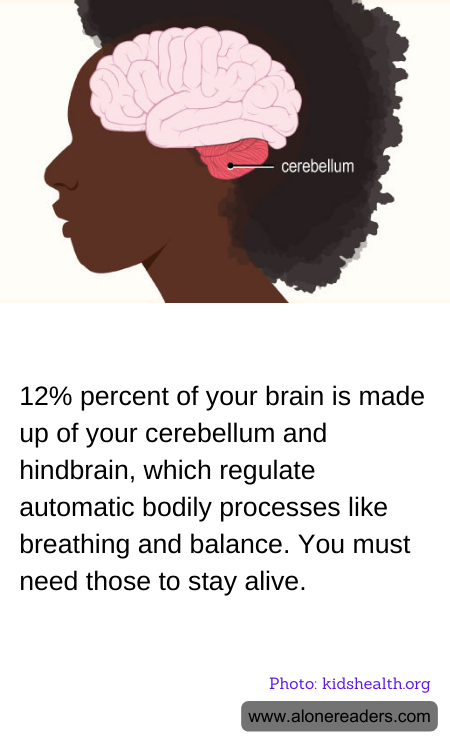
Comprising around 12% of the brain, the cerebellum and hindbrain are fundamental components of our nervous system, playing a critical role in regulating various automatic processes that are essential for life. The cerebellum, often referred to as the "little brain" due to its separate structure and unique surface folds, is primarily known for its role in coordinating voluntary movements. It helps maintain balance, posture, and the coordination of motor skills, which accounts for its critical role in activities that require precision, such as playing a musical instrument or participating in sports.
The hindbrain is an extension that includes not only the cerebellum but also other vital structures such as the medulla and the pons. These areas collectively support vital bodily processes that operate below the level of consciousness, ensuring that we can carry out life-sustaining activities without needing to think about them actively. For instance, the medulla controls breathing, heart rate, and blood pressure, while the pons plays a pivotal role in regulating sleep cycles and respiratory patterns.
The seamless integration between the cerebellum and other parts of the hindbrain showcases the complexity and efficiency of the human brain's design, where even components comprising only a small fraction of the brain's total mass can hold such vital responsibilities. Preserving the health and functionality of these areas is crucial, as damage or disease affecting them can lead to serious disorders, affecting everything from motor skills and balance to basic bodily functions like breathing and heart regulation.
Understanding the importance and functions of the cerebellum and hindbrain underscores not merely academic interest but also has practical implications in medical science. Insights into how these areas work and their interaction with other parts of the brain can lead to better treatments and therapies for a range of diseases, including cerebellar ataxia, stroke, and traumatic brain injuries. Thus, while they may only constitute a small portion of the brain's mass, the cere within its operations.
