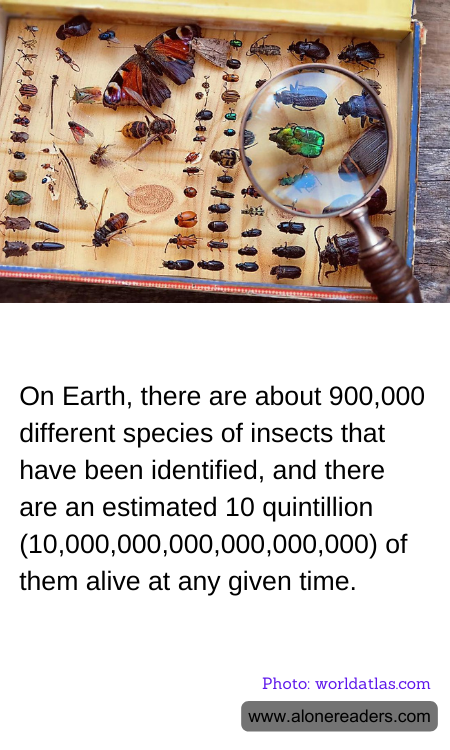
Insects, the most diverse group of organisms on Earth, constitute more than 80% of the known species. Their numbers are staggering, with estimates suggesting that there are around 10 quintillion individual insects alive at any given time. This immense number reflects insects' adaptation to virtually every environment on the planet, from arid deserts to lush rainforests.
The sheer variety of insects is equally impressive. With approximately 900,000 different species identified so far, the scope of their variety encompasses almost unimaginable adaptations and behaviors. This biodiversity is not just for academic interest; it plays a critical role in the functioning of ecosystems. Pollination, decomposition, and being a part of the food chain are some of the vital roles insects play. They help in pollinating crops, decomposing organic matter, and serving as food for numerous species of birds, reptiles, amphibians, and mammals.
Moreover, insects also contribute significantly to the world's economies, primarily through pollination, which is essential for the production of fruits, vegetables, and nuts. However, despite their importance, many insect species are facing threats from human activity, including habitat destruction, pollution, and the impacts of climate change, leading to declines in insect populations globally.
This dramatic decrease could have catastrophic effects not only on natural ecosystems but also on agriculture and economies. The decline in bee populations in many parts of the world has already raised concerns about crop pollination and food production, highlighting the interconnectedness of human and insect life.
Understanding and conserving insect diversity is crucial for maintaining the balance of nature and human survival. This vast and varied group of creatures, often overlooked, is fundamental to ecological balance and the health of our planet. Efforts to mitigate human impact on insect populations and habitats must be prioritized to preserve not only their numbers but their indispensable contributions to life on Earth.
