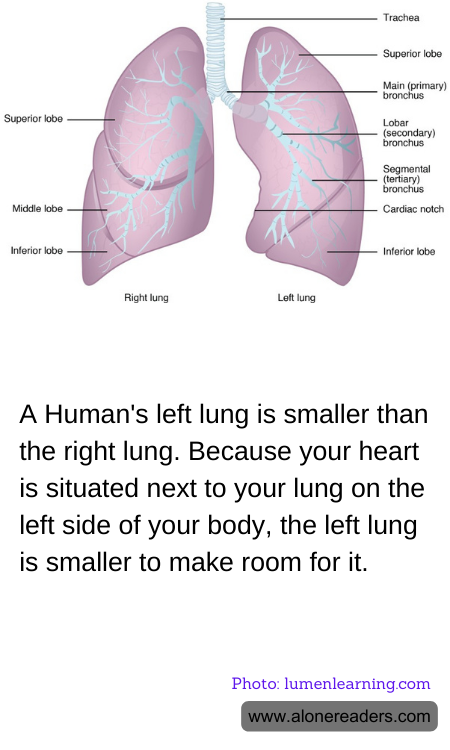
The human respiratory system is a marvel of biological engineering, and one of its more subtle asymmetries involves the different sizes of the lungs. The left lung is notably smaller than the right lung, a difference that can be attributed primarily to the position of the heart. Situated in the thoracic cavity, the heart leans slightly to the left side of the body, necessitating some spatial accommodations.
The left lung is divided into two lobes (upper and lower), unlike the right lung, which is divided into three lobes (upper, middle, and lower). This structural difference allows the heart to fit snugly beside the left lung in a space called the cardiac notch. The presence of the heart on the left side thus reduces the volumetric capacity of the left lung.
This anatomical arrangement has functional implications as well. The reduced size of the left lung slightly decreases its capacity for air compared to the right lung. However, this does not significantly impact overall respiratory function, as both lungs collaborate to fulfill the body's need for oxygen and the expulsion of carbon dioxide. The respiratory system's ability to adapt and maintain balance is crucial for maintaining efficient gas exchange, called ventilation-perfusion matching, which ensures that the supplied oxygen meets the demands of blood flow through the lungs.
The body compensates for the smaller size of the left lung in various ways. For instance, respiratory muscle dynamics, the flexibility of the ribcage, and the inherent elasticity of lung tissues help optimize the space and function efficiently despite the anatomical constraints. Also, the right lung efficiently takes up a slightly greater workload to balance the overall pulmonary capacity.
Understanding such intricacies of human anatomy not only fascinates in terms of biological symmetry and asymmetry but also aids medical professionals in diagnosing, treating, and managing various respiratory conditions. This knowledge is crucial for procedures involving lung volume reduction surgery, lung transplantation, and congenital heart disease interventions, where precise anatomical knowledge ensures better outcomes for patients. Thus, these anatomical details, while subtle, play a profound role in both the normal functioning and medical care of the respiratory system.
