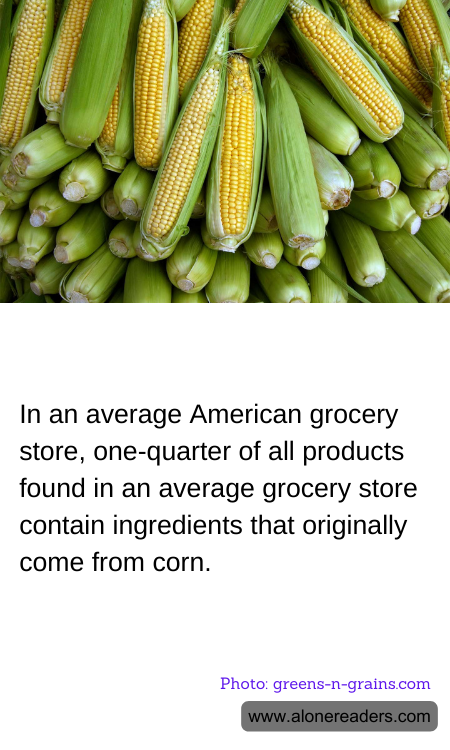
In the vast aisles of an American grocery store, it might come as a surprise to learn that about one-quarter of all products contain ingredients derived from corn. This predominantly humble grain, traditionally associated with popcorn and sweet cobs enjoyed at summer barbecues, has infiltrated a wide array of grocery items in various forms. Corn isn't just present in its natural state but is transformed into numerous derivatives that feature prominently in processed foods.
The pervasive presence of corn-based ingredients can be attributed to the plant's versatility and economic efficiency. Ingredients such as high fructose corn syrup, a common sweetener in sodas and snacks, and corn starch, used as a thickening agent in sauces and soups, are ubiquitous. Moreover, corn oil is often employed in cooking and as a component in many processed foods. More obscure corn derivatives include maltodextrin, which is used in a wide range of products to improve texture and shelf-life, and dextrose, an additive used to sweeten food products subtly.
Corn's dominance on supermarket shelves extends beyond human food. It is a primary ingredient in many animal feeds, influencing the composition of meat, dairy, and eggs. Additionally, corn is used in non-food products such as cosmetics and pharmaceuticals, showcasing its ample utility. Corn-derived ingredients are present in items like soaps, toothpaste, and even certain medicines, which often contain fillers or binders made from corn.
The economic advantage of corn as a crop also plays a significant role in its widespread use. The United States is the largest producer of corn globally, with a substantial portion of agricultural technology and subsidy directed toward its cultivation. This abundance leads to lower prices and vast availability, making corn-derived ingredients a cost-effective option for food manufacturers.
However, this heavy reliance on corn has raised concerns about dietary diversity and sustainability. The monoculture farming of corn can lead to soil depletion and increased vulnerability to pests, necessitating heavy pesticide use. Additionally, the health implications of consuming large amounts of corn syrup and other corn derivatives are debated among nutrition experts, with some linking it to obesity and other metabolic issues.
Understanding the complexities of corn's role in the grocery supply chain reveals much about modern agricultural and eating practices. As consumers become more aware of what's in their food, there might be shifts toward greater variety and sustainability in crop production and food manufacturing. The corn example underscores the broader conversations about food security, health, and environmental impact that are increasingly pertinent in today's society.
