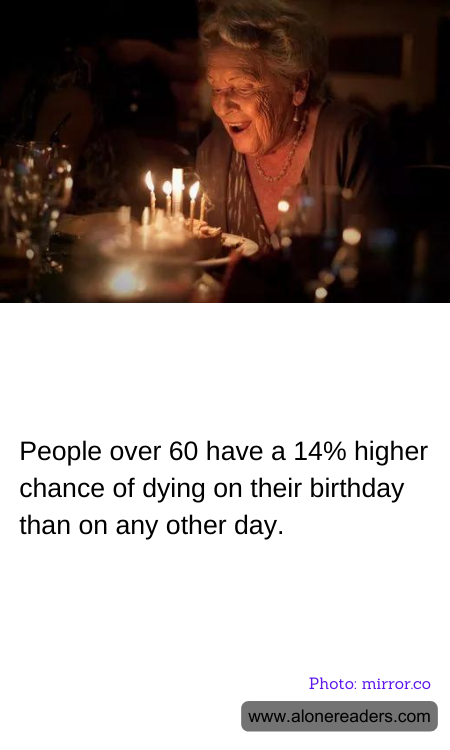
Celebrating a birthday is generally associated with joy and festivity, but research suggests a rather somber anomaly for individuals over the age of 60. Studies indicate that people in this age group have a 14% higher likelihood of passing away on their birthday compared to other days of the year. This intriguing statistic has prompted researchers and medical professionals to explore the underlying causes that might contribute to this increased risk.
Several theories have been proposed to explain this phenomenon. One of the primary factors considered is the increase in stress levels associated with birthdays. For the elderly, especially those with prevailing health issues, the excitement and emotions surrounding a birthday celebration might exacerbate existing conditions such as heart diseases or respiratory problems. In particular, conditions like the "birthday blues" or feeling a sense of sadness about aging could potentially lead to stress-induced health complications, thereby increasing the risk of mortality.
Another contributing factor could be excessive consumption of food and alcohol during birthday celebrations. Such indulgences are quite common during festivities, but they can be particularly hazardous for older individuals. Overeating can lead to digestive issues and aggravate chronic conditions like diabetes or high blood pressure. Similarly, excessive alcohol consumption can lead to acute medical emergencies like strokes or cardiac arrests.
Interestingly, the increase in risk may also be linked with a psychological phenomenon known as the “anniversary reaction,” where individuals experience heightened emotional responses around the anniversary of significant events, such as birthdays. This reaction can trigger both mental and physiological responses that might increase health risks.
While these findings may cast a shadow over birthday celebrations for those in their later years, they also underscore the importance of maintaining healthy celebration habits, especially as one ages. It is crucial for family and friends to be aware of the potential risks and to cater celebrations to reduce stress levels and promote a safe environment. Opting for quieter, more relaxed gatherings and monitoring dietary choices can help mitigate some of the potential risks associated with birthday celebrations.
Moreover, this peculiar statistic serves as a reminder of the importance of regular health check-ups and continuous health monitoring, particularly for the aging population. Ensuring that health conditions are well managed and that the elderly have the necessary support systems can significantly lessen the risk associated with such statistical findings.
In conclusion, while the increased likelihood of passing away on a birthday for those over 60 is indeed a curious and somewhat unsettling statistic, it importantly highlights the need for tailored approaches to aging and celebrating in later years, emphasizing safety, moderation, and health awareness to ensure that birthdays remain joyful occasions.
