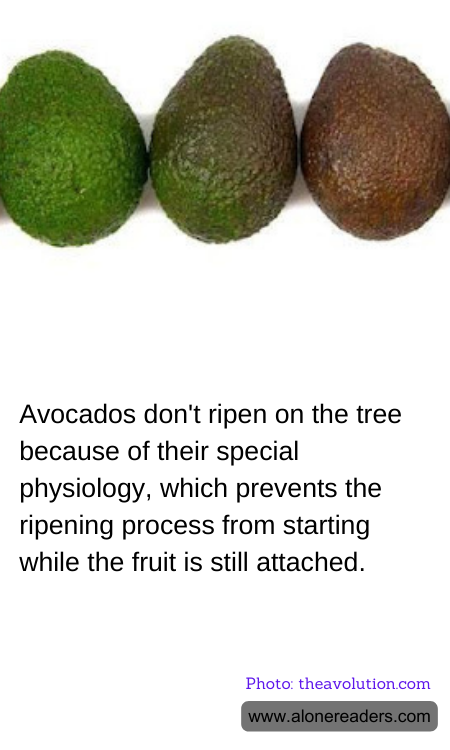
Avocados are unique in many ways, not least because they do not ripen until after they have been harvested. This phenomenon is largely due to their special physiological properties. Avocados produce a plant hormone called ethylene, which triggers the ripening process. However, while they are still attached to the tree, avocados are under the influence of another compound, an enzyme inhibitor, which prevents the ethylene from acting to ripen the fruit.
This mechanism serves an evolutionary advantage. By staying firm while on the tree, avocados are less appealing to animals and thus less likely to be eaten before they are mature. The delay in ripening also ensures that the seeds are fully developed, which is essential for the propagation of new plants.
Once avocados are picked, the inhibition caused by the enzyme decreases, allowing the ethylene to initiate the ripening process. This is why avocados often feel hard when purchased; they haven't yet begun this stage. To speed up ripening at home, placing avocados in a paper bag with an apple or banana can be effective. These fruits emit large amounts of ethylene, creating a concentrated environment that encourages the avocados to ripen more quickly.
Understanding this peculiar trait of avocados not only helps in managing when they will be ready to eat but also highlights the fascinating complexities of plant biology and the intricate ways plants have adapted to their environments. Whether in agricultural planning or daily cooking, this knowledge can enhance our interaction with and appreciation of this creamy, nutritious fruit.
