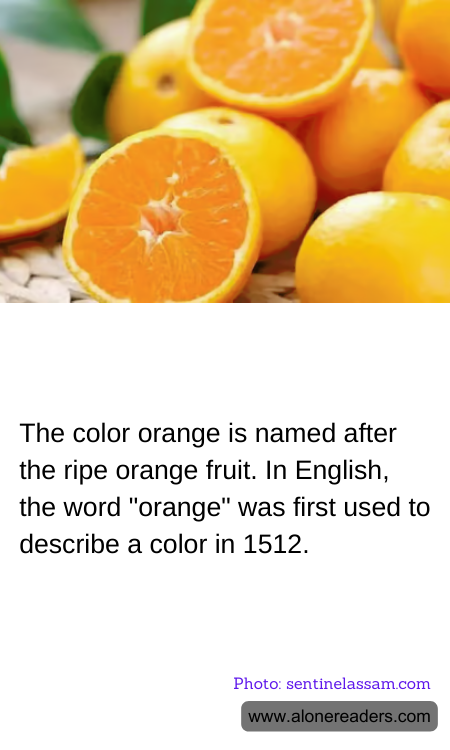
The vibrant color orange, a blend of red and yellow, carries more than just an aesthetic value; it has a rich history closely tied to the orange fruit from which it derives its name. Interestingly, the color orange was not identified as a distinct color in the English language until the early 16th century. Before this period, what we now know as orange was typically referred to as a shade of red or yellow.
In 1512, the term "orange" made its first appearance in English to describe both the fruit and the color. This terminology is derived from the Old French word "orenge," adopted in turn from the Arabic "naranj," and ultimately from the Sanskrit "nara?ga." The introduction of the orange tree in the English-speaking world is largely attributed to the expansive trade routes established by the Portuguese in the late 15th century. They sourced the fruit from Asia and subsequently introduced it to Europe.
The color orange does not only symbolize the fruit but has also been imbued with significant cultural, religious, and social meanings. In Hinduism, orange or saffron is a sacred hue, a symbol of fire and purity, worn by holy men and women. It is also a color of transformation and enlightenment. In Western cultures, orange can represent warmth, enthusiasm, creativity, and encouragement. Moreover, it plays a significant role in political symbolism, representing freedom and revolution in some cultural contexts, notably seen during the Ukrainian Orange Revolution and the Dutch House of Orange, symbolizing the Dutch royal family.
Additionally, orange has different psychological impacts, as it is known to stimulate activity, appetite, and social interaction. Its visibility also makes it a popular choice in advertising and safety equipment, ensuring high levels of visibility and attention.
As we look around, it is evident that orange is not just a color; it's a symbol rich in history and meaning, influencing various facets of life from culture and religion to social movements and safety measures. This dynamic color continues to be a powerful element in the visual and symbolic vocabularies of societies around the world.
