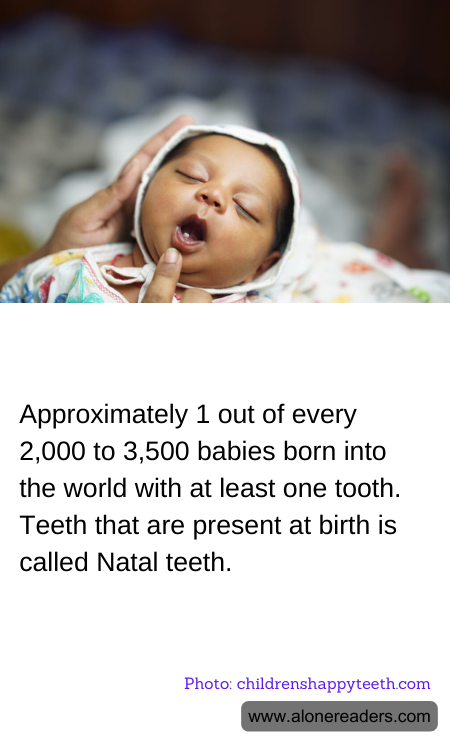
It's a fascinating and somewhat rare phenomenon for a newborn to greet the world with a smile that already includes one or more teeth. Known as natal teeth, these are teeth that are present at birth, occurring in approximately 1 out of every 2,000 to 3,500 babies. The appearance of natal teeth can be surprising to both new parents and medical professionals alike, as the typical teething process for infants usually commences around the six-month mark.
Natal teeth are most commonly found in the lower gums and are usually the infant's lower central incisors. They have a somewhat different structure and appearance compared to normal teeth. These teeth are often not fully developed and may have weaker roots, making them wobbly and potentially a cause for concern during nursing. Due to their instability, natal teeth may pose a risk of detachment, potentially leading to a choking hazard, or they can cause discomfort for the breastfeeding mother.
From a medical perspective, the presence of natal teeth is generally not a condition on its own but may be associated with certain medical and developmental syndromes. However, in most cases, these teeth are just isolated occurrences without any underlying health implications. When natal teeth are identified, pediatricians and pediatric dentists assess whether they pose any immediate risks to the child or the breastfeeding process. If they are stable, they might be left in place, but if they are loose, they may need to be removed to prevent any potential risks.
The care for nskatal teeth includes maintaining oral hygiene even in such young infants and monitoring by pediatric dentistry practitioners to ensure no subsequent problems develop. Pediatric dentists might also provide special guidance for parents on how to handle teething and oral care for infants with natal teeth, helping to alleviate any anxiety surrounding this rare condition.
In conclusion, while natal teeth are a rare occurrence, with proper medical guidance, the condition can be managed safely, ensuring the health and well-being of the child. It’s just one of the many unique and surprising aspects of human biology.
