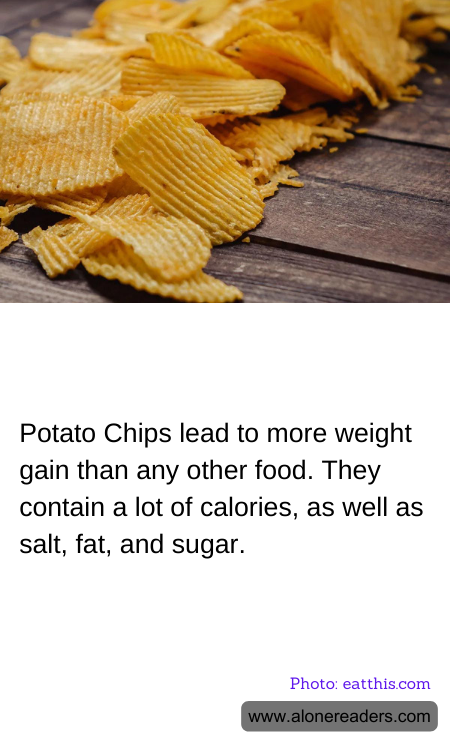
Potato chips are often singled out as a top culprit in discussions about foods that contribute to weight gain. This simple snack, popular across age groups for its crunchy texture and salty taste, packs a punch when it comes to caloric content, fat, and additives such as salt and sugars. Each of these components plays a significant role in why potato chips can lead to more weight gain compared to many other foods.
The basic issue with potato chips lies in their high caloric density, meaning they provide a lot of calories in a small amount of food. For instance, a typical serving of potato chips can contain around 150 to 200 calories, predominantly from fats. These are often unhealthy fats, such as trans fats or saturated fats, which can raise bad cholesterol levels, contributing not only to weight gain but also to other health risks like heart disease.
Additionally, potato chips are very high in sodium. Excess sodium in the diet can lead to water retention, which in the short term leads to a feeling of bloating and temporary weight gain. Over the long term, consistent consumption of high sodium can lead to increased blood pressure and potentially exacerbate the risk of cardiovascular diseases.
Moreover, the flavoring on chips typically involves sugar and other taste enhancers, contributing to their addictive taste but also additional calories. The sugar content, though often not as high as in sweet snacks, can still lead to rapid spikes in blood sugar, providing a temporary burst of energy followed by a crash, which often leads to further snacking and overeating.
The physical characteristics of chips also contribute to their potential for promoting weight gain. Their crunchy texture and easy-to-eat form factor make it likely to consume a high amount of chips without realizing. This phenomenon is known as "passive overeating" where the act of eating is so habitual and pleasing that one loses track of intake.
The impact of consuming potato prepared in such an unhealthy way extends beyond individual health, raising broader concerns about dietary patterns in modern diets where processed foods are prevalent.
In contrast, whole foods like fresh fruits, vegetables, and lean proteins generally contain fewer calories by volume, and they are more filling. These foods also provide essential nutrients, which can aid in overall health and help regulate weight. Thus, making the shift from calorie-dense snacks like potato chips to healthier alternatives can be beneficial not just for managing weight but also for improving overall dietary health.
