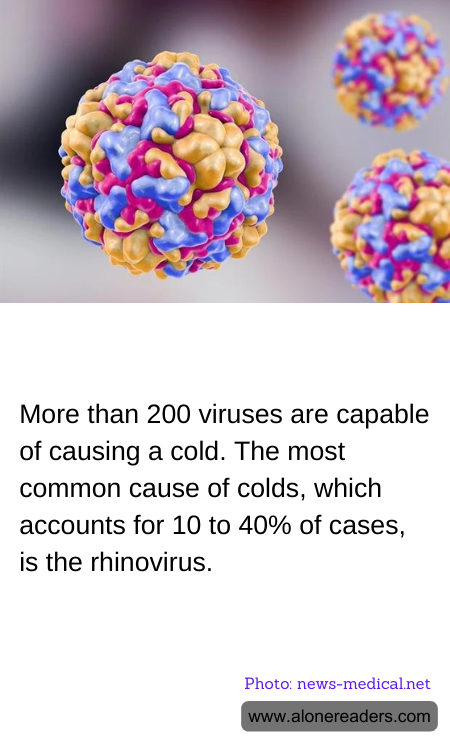
Colds, familiar to everyone as the uncomfortable but typically harmless viral upper respiratory infections, can be triggered by more than 200 different viruses. At the forefront of these is the rhinovirus, which is responsible for about 10 to 40% of colds according to various studies. This makes it the most common among the manifold culprits.
Rhinoviruses are particularly adept at thriving in the nasal passages and throat where temperatures are cooler compared to the rest of the respiratory system. They attach to and hijack the normal cells lining these passageways, using them to replicate and spread. The body responds with an immune reaction that causes the typical symptoms of a cold, such as a runny nose, sore throat, coughing, and sneezing.
Interestingly, the vast number of viruses that can cause colds explains why developing a universal vaccine to prevent this common illness remains a challenge. Each virus has its own structure and mode of operation, making it a moving target for vaccine developers. Additionally, these viruses can mutate over time. The ability of the rhinovirus and other cold-causing viruses to change their genetic makeup is one of the reasons why colds are so prevalent and difficult to control.
Prevention and management of colds primarily involve personal hygiene practices such as frequent hand washing and avoiding close contact with individuals who are sick. Treatments mostly aim to alleviate symptoms since there currently are no antivirals specifically for most of the viruses, including the rhinovirus. Over-the-counter medications, plenty of fluids, rest, and home remedies are commonly employed to manage the discomfort caused by colds.
Understanding the basic virology and epidemiology of the common cold can help guide better practices in both prevention and management of this ubiquitous illness. Research continues in the scientific community, not just to discover more about these various viruses but also to explore potential targeted treatments that could one day decrease their prevalence or severity. As we navigate through peak cold seasons, awareness and good hygiene remain our best defenses.
