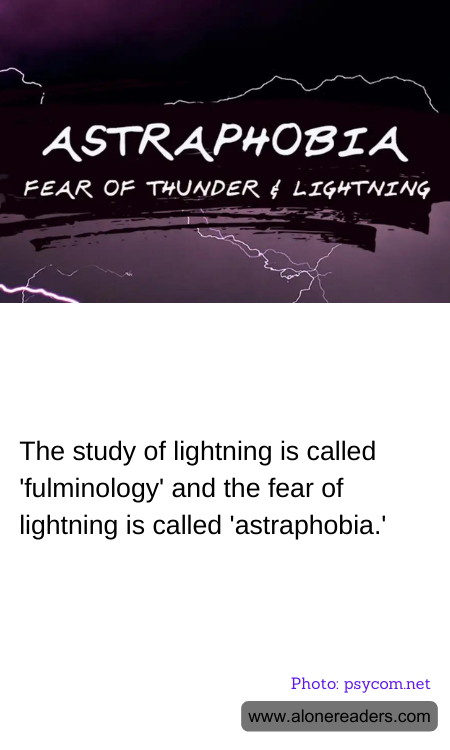
Lightning, one of nature's most powerful and awe-inspiring phenomena, is studied under the branch of meteorology known as fulminology. This specialized field focuses on the properties and effects of lightning, including its frequency, physical properties, distribution, and potential interactions with various atmospheric elements. Lightning is an electrical discharge caused by imbalances between storm clouds and the ground, or within the clouds themselves, resulting in a rapid release of energy that heats the air around it to incredible temperatures, which causes the air to rapidly expand and create the sound known as thunder.
The study of lightning is critical not just for enhancing our understanding of the natural world but also for practical reasons. Lightning can cause significant damage to buildings, trigger wildfires, and even affect the electrical power systems. Through the study of this electrifying natural spectacle, scientists develop better lightning prediction models and safety protocols to help minimize its risks to life and property.
On the other hand, the fearsome power of lightning can also trigger a significant amount of anxiety and fear in individuals. This fear is referred to as astraphobia. It is characterized by an intense fear of thunder and lightning, which can cause individuals to experience panic attacks, physical discomfort, and a significant disruption in day-to-day life during storms. People with astraphobia might feel the need to hide under the bed, in a closet, or in any space that feels more secure when a storm occurs.
The impact of this phobia can be profound, affecting not only one's emotional state but also their physical health and social interactions. During storm seasons, those afflicted may continuously monitor weather forecasts or alter their schedules to avoid being caught in a storm, which can disrupt personal and professional lives. Treatment for astraphobia can involve exposure therapy, where individuals are gradually and safely exposed to stormy conditions in a controlled manner to diminish their fear over time. Cognitive-behomic therapy is another effective approach, helping individuals reframe their thoughts concerning the dangers posed by thunderstorms.
The dichotomy between the enchanting allure of lighting and its potential to instill deep fear exemplifies our complex relationship with nature. While fulminology helps us to safeguard ourselves against the dangers of lightning, understanding and treating astraphobia enables individuals to cope with and perhaps even appreciate the wild beauty of stormy weather. Through a combination of scientific understanding and compassionate care, society can better prepare for and respond to the multifaceted impacts of lightning.
