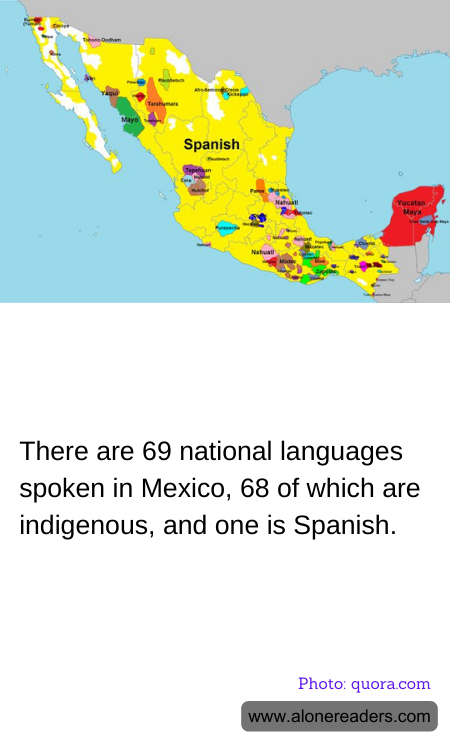
Mexico's linguistic landscape is as diverse and rich as its culture, reflecting a long history of indigenous civilizations that have contributed to the nation's identity. In total, Mexico officially recognizes 69 national languages. While Spanish is the most widely spoken and is used in government, business, and daily communication, the other 68 comprise a variety of indigenous languages that predate Spanish colonization.
These indigenous languages include Nahuatl, Maya, Mixtec, Zapotec, and many others, each with its own unique structure, vocabulary, and set of dialects. Nahuatl, for instance, was the language of the Aztec Empire and continues to be spoken by about 1.5 million people in central Mexico. The Maya language, known from the ancient Maya civilization, still has around 800,000 speakers in the Yucatán Peninsula.
Despite their recognition as national languages, the survival of these indigenous tongues faces several challenges. Globalization, migration, and the dominance of Spanish and English in global commerce and digital media have led to a decline in the number of speakers, especially among younger generations. This linguistic shift poses concerns for cultural and linguistic diversity, as language plays a crucial role in the identity and continuity of indigenous communities.
Efforts to preserve and revive these languages are underway. Educational initiatives, including bilingual and intercultural schools, have been established in areas with significant indigenous populations. Additionally, some indigenous languages are making a presence in digital media, literature, and academia, helping to promote their use among the broader Mexican society.
The recognition and support of Mexico's national languages not only safeguards these important cultural heritage elements but also underscores the importance of linguistic diversity in a globalized world. As communities, linguists, and policymakers continue to collaborate, the hope is that these languages will not only survive but thrive, continuing to enrich Mexico's cultural landscape.
