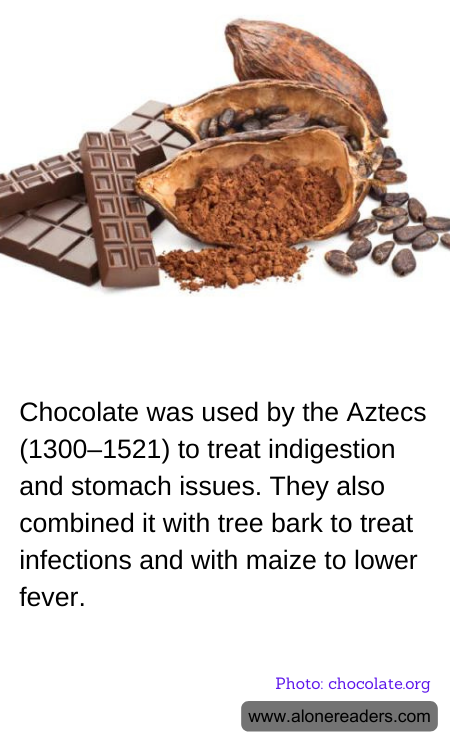
Chocolate, dating back to the Aztec civilization between 1300 and 1521, was revered not just as a delicacy but also for its medicinal properties. The Aztecs believed chocolate could alleviate stomach issues and indigestion. This ancient use underscores chocolate's role beyond a mere sweet treat, highlighting its significance in traditional medicine. The beans, sourced from the cacao tree native to the tropical regions of Central and South America, were so valued that they were often used as currency.
Intriguingly, the Aztecs also harnessed chocolate in combination with other natural ingredients to enhance its healing properties. For instance, they mixed chocolate with tree bark, which had antimicrobial properties, to effectively treat infections. This could be considered an early form of an antibacterial concoction. Furthermore, by blending chocolate with maize, they created a mixture to help reduce fever. This combination likely provided essential nutrients while also leveraging the theobromine found in chocolate, known for its natural soothing effects and mild stimulative properties.
Such historical uses of chocolate demonstrate a deep understanding of natural remedies and the innovative ways in which the Aztecs employed the resources available to them. These ancient practices underscore chocolate’s potential benefits beyond its popular consumption as a sweet. Today, modern research has explored chocolate's health benefits, particularly dark chocolate, which is rich in antioxidants and can potentially support heart health, reduce inflammation, and improve brain function.
As we enjoy chocolate in various forms today, understanding its historical and medicinal uses provides a richer appreciation of this complex food. The Aztec’s innovative use of chocolate highlights a tradition of natural healing that forms part of the broader narrative of chocolate as both a timeless indulgence and a functional remedy.
