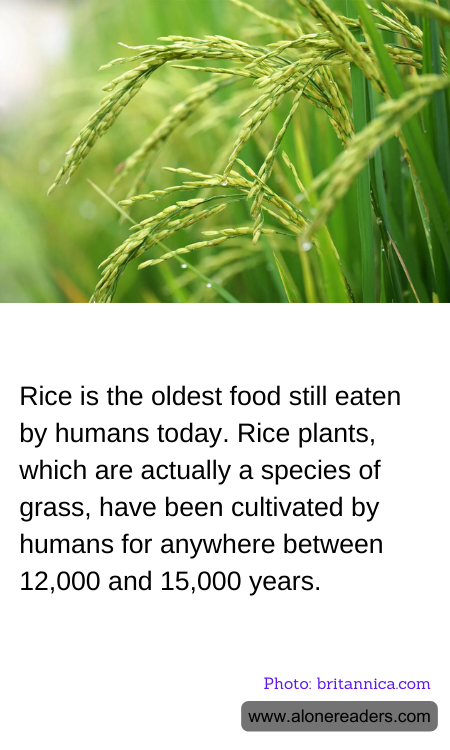
Rice holds a distinguished place as one of the oldest foods still consumed by humans today. Originating from a species of grass, rice cultivation dates back an impressive 12,000 to 15,000 years, making it a foundational crop in the development of human civilization. This ancient grain, primarily grown in water-rich environments, has been a staple in diets across multiple continents, notably in Asia where it is integral to the cultural and culinary heritage.
The process of rice cultivation has evolved but remains labor-intensive, requiring ample water and specific climatic conditions to thrive. Paddy fields, which are synonymous with rice farming, can be found across various parts of Asia, and their iconic images reflect the agricultural landscape of these regions. These flooded fields aid in suppressing weeds and pests that might otherwise threaten the crop, showcasing an early form of natural pest control that has been refined over millennia.
Nutritionally, rice is primarily composed of carbohydrates, with white rice being the most commonly consumed variety. However, other varieties like brown rice are noted for having additional nutritional benefits, including fibers, vitamins, and minerals. Its ability to provide instant energy, replenish glycogen levels after exercise, and provide essential vitamins and minerals like B vitamins, iron, and manganese has made rice a perpetual favorite in the global diet.
Culturally, rice is more than just food. It has been a symbol of fertility and prosperity in many cultures, often used in ceremonies from weddings to harvest festivals. In many parts of the world, rice dishes vary widely, reflecting local flavors, traditions, and ingredients. From the sushi rolls of Japan to the aromatic biryanis of South Asia, rice forms an integral part of diverse culinary traditions, underscoring its versatility and universal appeal.
In light of modern agricultural challenges and climate change, sustainable practices in rice farming have gained importance. Innovations such as the System of Rice Intensification (SRI) seek to increase yields while reducing water usage and greenhouse gas emissions, emphasizing the need to adapt ancient practices to contemporary environmental conditions. Thus, rice not only embodies a rich legacy of human agricultural innovation but also continues to play a crucial role in both current and future global food security scenarios.
