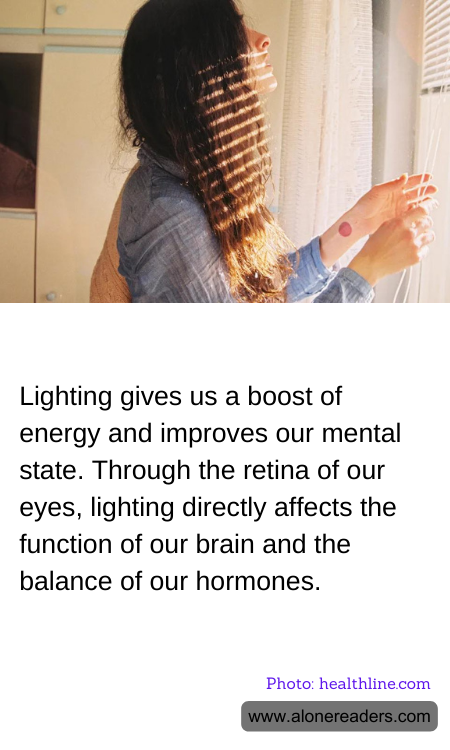
Light plays a crucial role in influencing our mental and emotional well-being. During daylight, when we are exposed to bright light, it stimulates receptors in the retina of our eyes. These receptors then send signals to the brain, affecting various hormonal and neural processes. One key hormone affected by light is serotonin, often referred to as the "happiness hormone," which can improve mood and increase feelings of calm and focus. Additionally, exposure to natural sunlight helps regulate the production of melatonin, a hormone that controls our sleep-wake cycles, also known as circadian rhythms.
Artificial lighting, meanwhile, can also have significant impacts on our health. The widespread use of LED lighting and screens can lead to overexposure to blue light, especially in the evenings, which can disrupt sleep patterns by inhibiting melatonin production. However, modern lighting technology has begun to adapt to these challenges. Many devices now feature settings such as "night modes" that reduce blue light exposure, and lighting systems in homes and workplaces can be adjusted to mimic natural light patterns, supporting better sleep health and overall well-being.
Moreover, the intensity and quality of light are crucial in settings such as workplaces, schools, and hospitals. Proper lighting can reduce eye strain and fatigue, boost concentration, and even improve productivity. In hospitals, lighting can be used to regulate patients' sleep, mood, and recovery times. In schools, adequate lighting contributes to better educational outcomes by reducing sleepiness and increasing alertness among students.
Furthermore, the psychological effects of lighting extend beyond its biochemical impacts. The design and aesthetic qualities of lighting can also influence our mood and mental state. For instance, warm lighting often creates a feeling of coziness and relaxation, while cool lighting can induce concentration and alertness. Businesses and homeowners are increasingly considering these subtle nuances to enhance the comfort and functionality of spaces.
In summary, the influence of lighting on our mental state and hormonal balance is multifaceted and powerful. Whether through the natural light of the sun or the artificial lights we rely on after dark, it’s clear that what illuminates our spaces can play a crucial role in shaping our everyday health and happiness. As we continue to learn more about these effects, we can better harness the power of lighting to create environments that foster a healthier, more productive society.
