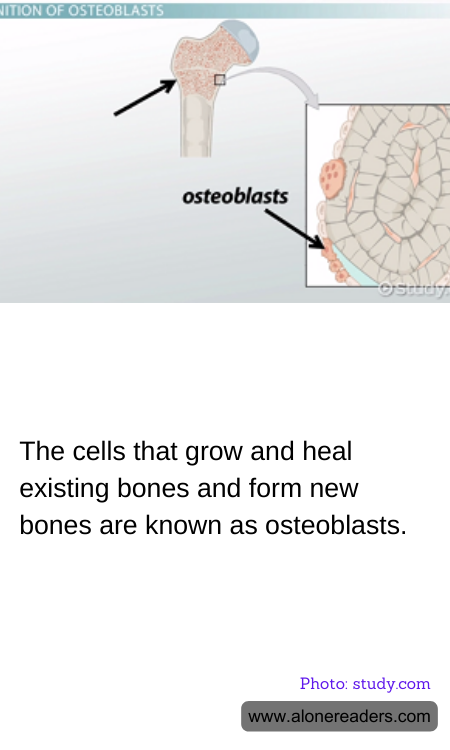
Osteoblasts are specialized cells with a significant role in the skeletal system, primarily responsible for the synthesis and mineralization of bone during both initial bone formation and later bone remodeling. These cells emerge from the differentiation of osteoprogenitor cells within the bone marrow and are key players in the bone metabolism process.
Osteoblasts function by producing a matrix that then becomes mineralized, forming new bone tissue. This matrix, mainly composed of collagen, is called osteoid. The process begins with osteoblasts secreting collagen molecules, which arrange themselves into a well-organized framework. Subsequently, this matrix is mineralized through the deposition of calcium and phosphate, eventually hardening to become the new bone. This mineralized matrix is critical not only for bone growth but also for the maintenance of bone strength and density.
The activity of osteoblasts is meticulously balanced with another type of bone cell called osteoclasts, which are responsible for bone resorption, or breakdown. This balance is crucial for maintaining overall bone health and integrity; disturbances in this balance can lead to bone diseases such as osteoporosis, where bones become weak and brittle due to increased bone mass loss, or osteopetrosis, characterized by excessively dense bones owing to defective resorption.
Furthermore, osteoblasts also play a crucial role in healing broken bones. When a fracture occurs, these cells are among the first responders at the injury site. They multiply and produce new bone matrix to bridge the gap created by the fracture, eventually leading to new bone formation that restores the bone’s original shape and strength.
Despite their central role in bone formation and repair, osteoblasts also influence other physiological processes. For instance, they are involved in regulating mineral homeostasis in the body, affecting how minerals are deposited or resorbed by the body's tissues. Their activity is influenced by several hormones, including parathyroid hormone and vitamin D, which play a part in calcium absorption and distribution in the body, essential for healthy bone development and maintenance.
Understanding osteoblasts and their function not only provides insights into skeletal development and regeneration but also helps in the design of therapies for treating and preventing bone-related diseases. Current research often focuses on finding ways to enhance osteoblast function to speed up bone healing and improving bone density, promising a future where bone ailments can be more effectively managed or even eradicated.
