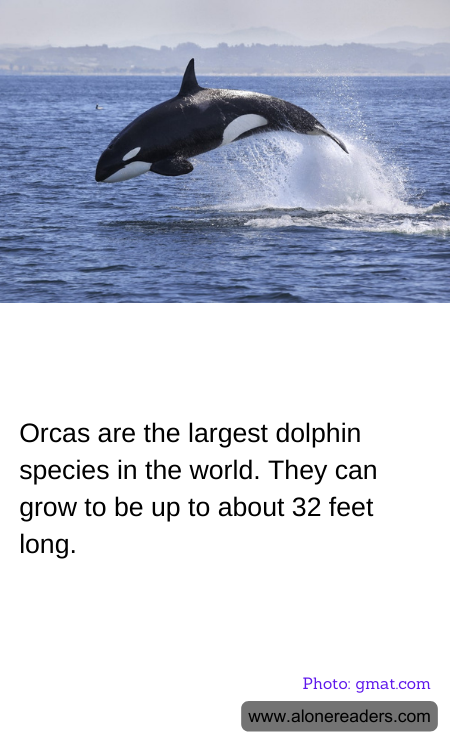
Orcas, also known as killer whales, are the largest members of the dolphin family. Renowned for their striking black and white coloring, these majestic creatures can grow up to about 32 feet in length, with males typically being larger than females. They are highly intelligent and adaptable mammals, found in every ocean in the world, from the frigid Arctic and Antarctic regions to tropical seas.
Orcas are apex predators, at the top of the food chain, and have a diverse diet that varies depending on their geographical location. Some populations specialize in hunting fish, particularly salmon, while others target marine mammals like seals, dolphins, and even whales much larger than themselves. This dietary flexibility is a testament to their intelligence and complex social structures. Orcas live in matrilineal family groups known as pods, which are some of the most stable of any animal species. Each pod has its own unique culture, including distinctive hunting techniques and vocal behaviors, which are passed down through generations.
Their sophisticated hunting strategies and vocal behaviors, including clicks, whistles, and pulsed calls, highlight their advanced communication skills. These sounds not only facilitate group hunting but also play a crucial role in maintaining social bonds and navigating the murky ocean depths. Orcas rely on echolocation to find their prey—emitting sounds that travel underwater until they encounter objects, then listening for echoes to determine the location and size of the prey.
Despite their status as top predators, orcas face significant threats from human activities, including habitat destruction, pollution, and the impacts of climate change. Chemical pollutants accumulate in their bodies, which can compromise their health, reproductive success, and long-term survival. In some regions, they are also threatened by diminished prey resources, often due to overfishing and changes in aquatic ecosystems.
Efforts to protect orcas involve improving marine habitats, enforcing sustainable fishing practices, and fostering global cooperation on marine conservation issues. Given their importance to marine ecosystems and their popularity in human culture, orcas are an iconic symbol of the wild seas, and their conservation is essential not only for their survival but for the health of the oceanic ecosystems as a whole.
