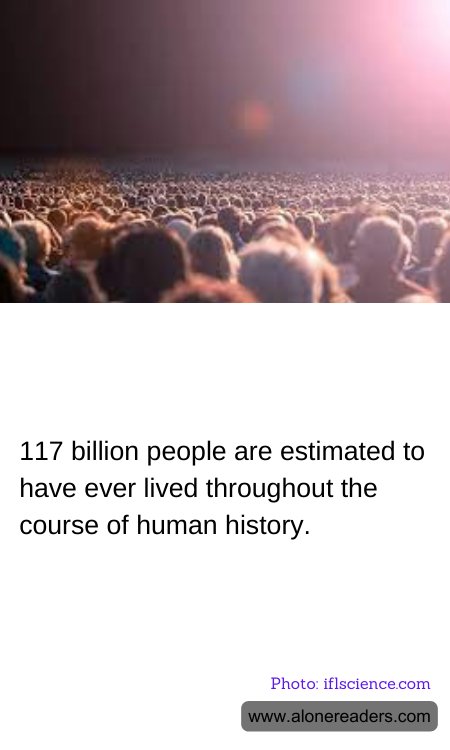
Estimates suggest that approximately 117 billion people have lived on Earth throughout human history. This staggering number is based on various scientific and demographic calculations that factor in the numerous generations born and replaced over tens of thousands of years. Understanding this figure requires a dive into the principles of population studies, where demographers use archaeological, historical, and genetic data to estimate the size of human populations at different points in history.
The journey of human population growth is a tale of survival, adaptation, and expansion. From small groups of hunter-gatherers in prehistoric times to the advanced civilizations of ancient Mesopotamia, Egypt, India, China, and the Americas, human populations have fluctuated significantly due to a multitude of factors including environmental changes, migrations, wars, disease, and societal developments. For example, during the Agricultural Revolution, when humans first learned to farm and domesticate animals, populations began to increase more rapidly due to an improved food supply.
Significant population increases were also observed following the Industrial Revolution in the 18th and 19th centuries. Innovations in medicine, sanitation, and technology led to lower death rates and higher life expectancy, promoting rapid population growth which continues into the 21st century. Today, the global population stands at over 7 billion and is expected to grow further, presenting both challenges and opportunities for the future.
The fascinating aspect of studying past populations is not merely to marvel at the sheer numbers but to understand the dynamic interplay between human societies and their environments. Each era of population growth or decline tells a tale of ecological balance, technological advancement, societal structure, and human resilience. Knowing that about 117 billion people have lived on this planet contextualizes our current global issues within a broader historical framework, reminding us that the history of humanity is a continuous narrative of change and adaptation. The insights gained from studying past populations can help guide current and future decisions, ensuring sustainable development and a balanced co-existence with our environment as the human story unfolds into the future.
