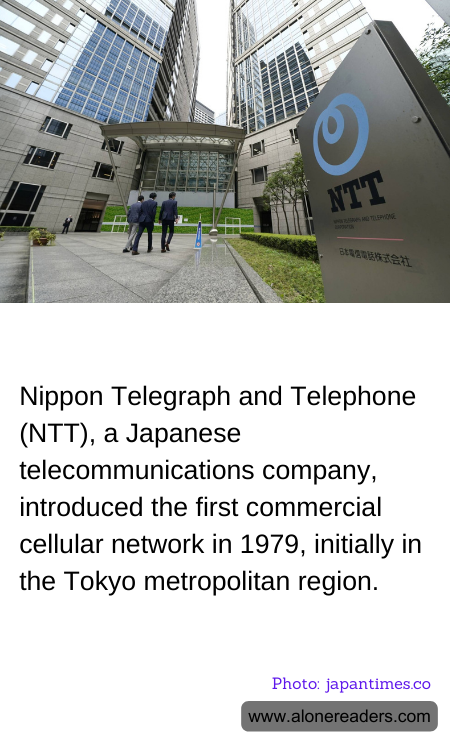
In 1979, Japan marked a significant milestone in the field of telecommunications with the launch of the first commercial cellular network by Nippon Telegraph and Telephone Corporation (NTT). This pioneering move saw the Tokyo metropolitan area become the birthplace of modern mobile communication, setting a precedent that would eventually lead to global mobile connectivity. The introduction of this technology came at a time when the notion of using a portable phone outside one's home or office was revolutionary.
The network initially faced numerous challenges, including technical limitations such as coverage areas and the bulkiness of the first generation of mobile phones. Despite these hurdles, the demand for mobile communication rapidly increased, showcasing the public’s recognition of the potential that mobile technology held. This burgeoning demand spurred further innovations in both hardware and network services leading to more compact phones and extended coverage, which gradually spread beyond Tokyo to cover other major cities in Japan and eventually the entire country.
NTT's rollout of the cellular network not only transformed the communications landscape in Japan but also set a benchmark for other countries to follow. Before long, cellular networks were being established around the world, each iteration improving upon the last in terms of technology and service offerings. The swift evolution of mobile technology led to the introduction of 2G services in the 1990s, followed by 3G, and so forth, up to the current advancements in 5G.
The widespread impact of NTT's initial deployment of cellular technology can be seen in the way today's society has embraced mobile connectivity. From personal communications and entertainment to critical applications in business and government, the functionality of cellular networks has become integral to many aspects of daily life. The inception of these networks paved the way for innovative technologies such as smartphones, mobile commerce, and vast improvements in global communication, profoundly influencing economic and social developments worldwide.
Reflecting on NTT's audacious step towards mobile networking back in 1979, it is clear that this endeavor was not just about technological advancement but also about envisioning a future driven by connectivity and convenience. Today, as new generations of cellular technology continue to evolve, the essence of this vision remains a guidepost, pushing the boundaries of what is possible in communication and beyond.
