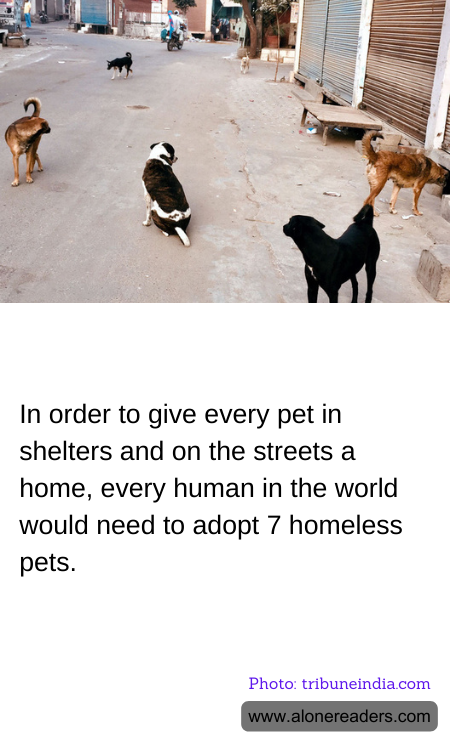
As the number of homeless pets continues to surge, a surprising statistic has emerged that highlights both the scale of the issue and the radical change needed to resolve it. For every pet currently living in shelters or on the streets to find a home, each person on the planet would need to adopt seven animals. This startling figure underscores not only the immense challenge at hand but also the critical need for comprehensive and coordinated efforts to deal with pet homelessness.
The problem of pet overpopulation is exacerbated by several factors including irresponsible breeding, lack of spaying and neutering, and the abandonment of pets when owners can no longer care for them. Shelters worldwide are perpetually at capacity and are forced to make heart-wrenching decisions about the animals in their care daily. The situation is dire, with millions of animals being euthanized each year simply because there is no space for them.
Adoption is a potent solution, offering a direct method to reduce the number of animals in shelters. However, the logistics of each human adopting seven pets would be implausible for numerous reasons. Not everyone has the space, resources, time, or desire to take care of animals. Such a scenario could also lead to cases where the welfare of these pets is compromised due to inadequate attention or resources from their human caregivers.
A more realistic approach involves a combination of increased awareness, better education on pet ownership responsibilities, and stronger spay and neuter programs. Additionally, supporting breed-specific legislation could decrease the number of certain breeds prone to abandonment and mistreatment. Ultimately, addressing the root causes that lead to pet abandonment and uncontrolled breeding rates is crucial.
Community involvement and innovative solutions can make a significant difference. Foster programs, for instance, expand the walls of the shelters by allowing temporary homes that provide care and socialization for the animals until a permanent home is found. Moreover, modern technology like mobile apps and websites can streamline the adoption process and bring pets and potential pet owners together more efficiently.
Given the enormity of the challenge, pet adoption cannot be the sole solution. It is a collective responsibility that involves local communities, governments, and international bodies working together to ensure that the lives of all these animals are preserved through both preventive measures and active intervention strategies. Public awareness campaigns and adjustments in cultural attitudes towards pet ownership could also play a significant role in mitigating this global crisis.
