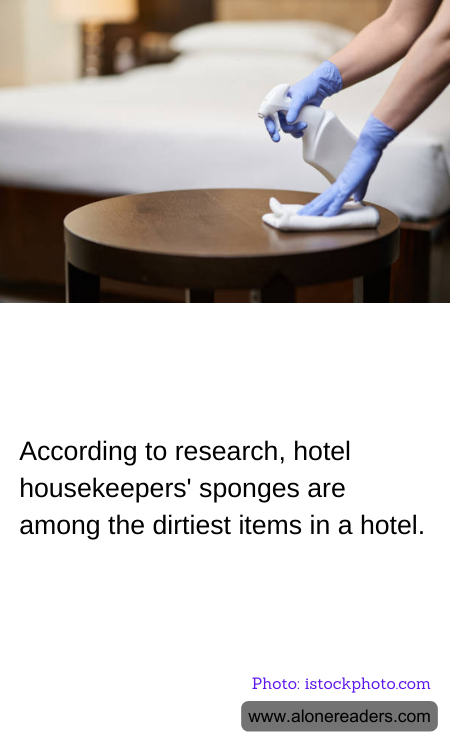
When checking into a hotel, cleanliness is a top priority for most guests, who expect their temporary accommodations to be spotless and well-maintained. Surprisingly, an often overlooked item in terms of cleanliness could be contributing to the spread of germs within hotel rooms. According to research, hotel housekeepers' sponges, used to clean various surfaces in a room, rank among the dirtiest items found in hotels.
The damp and porous nature of sponges provides an ideal environment for the growth of bacteria and other microorganisms. Researchers have discovered that sponges used in hotel housekeeping accumulate significant amounts of bacteria due to their frequent use and insufficient sanitization between cleanings. This bacterial load not only undermines the overall hygiene of the hotel environment but also poses health risks to both guests and staff.
In response to these findings, experts suggest that hotels should adopt stricter guidelines for the disinfection and replacement of cleaning tools, especially sponics. Simple measures, such as heating sponges in a microwave or soaking them in a bleach solution, can be incredibly effective at reducing bacterial contamination. Additionally, using disposable cleaning wipes or switching to other cleaning tools that are less susceptible to bacterial growth could further enhance room cleanliness.
The implications of these findings extend beyond housekeeping practices, emphasizing the importance of thorough sanitization protocols in the hospitality industry to ensure guest safety and satisfaction. With increased awareness and implementation of improved cleaning practices, hotels can better protect their guests from potential health hazards and maintain a reputation for high standards of cleanliness.
