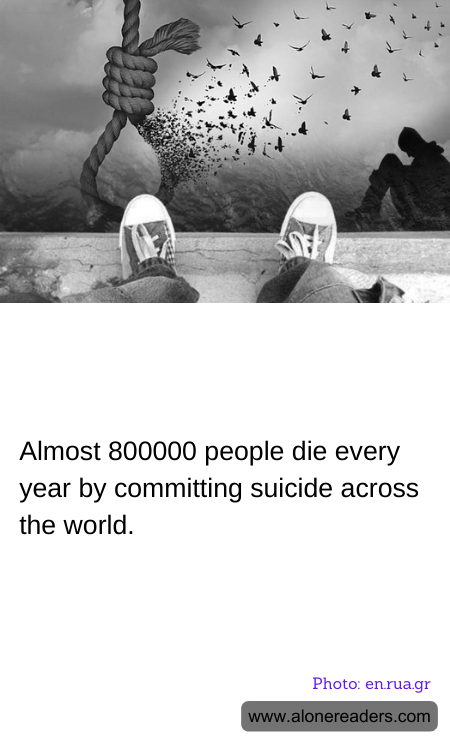
Suicide remains one of the most profound public health issues globally, with nearly 800,000 people taking their own lives every year, according to the World Health Organization. This represents an average of one person every 40 seconds. The reasons behind suicide are complex and multifaceted. Psychological, social, biological, cultural, and environmental factors intertwine in ways that can push individuals to the brink.
Mental health disorders are among the most common contributors to suicide, with depression and anxiety leading the list. These conditions often go undiagnosed and untreated, leaving individuals grappling with an unbearable sense of isolation, hopelessness, and despair. Stigma and societal attitudes towards mental health issues can exacerbate feelings of shame and inhibit those affected from seeking help.
However, mental health is not the only factor; economic stress, unemployment, relationship breakups, chronic pain and illness, as well as traumatic experiences, like physical or sexual abuse, can be trigger points for someone considering suicide. Additionally, access to the means of committing suicide, such as firearms and toxic substances, significantly impacts suicide rates.
Efforts to reduce suicide rates across the globe involve a mix of interventions, including policy reform, educational campaigns, and community outreach. Raising awareness and education about suicide can encourage a more supportive environment, reducing stigma and allowing for early intervention. Comprehensive support services, accessible mental health care, and integration of psychological services with primary health care are crucial in preventing suicide.
Suicide prevention strategies also include controlled media reporting of suicide, which can prevent the phenomenon of 'copycat suicides', and promoting responsible portrayals of suicide in entertainment content. Increasing the availability of crisis helplines and creating more opportunities for community support can also play significant roles.
On a societal level, reducing the stigma associated with discussing mental health issues is critical. Open conversations about mental health can foster greater understanding and encourage individuals to seek help when they are struggling.
In summary, while suicide is a critical public health challenge, it is also preventable. The key lies in comprehensive preventive strategies that encompass not only healthcare but also broader societal interventions. Breaking down the barriers to discussing and addressing mental health openly and increasing support and resources for those at risk are essential steps toward reducing the global suicide rate.
