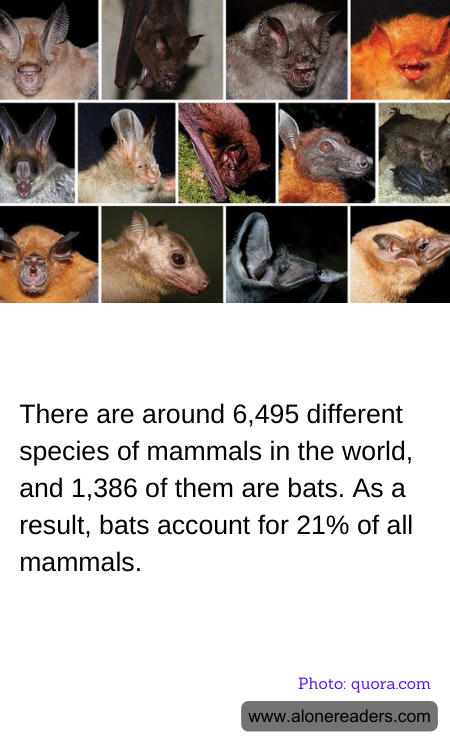
Bats, fascinating creatures that represent about 21% of all mammalian species, exemplify both versatility and ecological significance. With approximately 1,386 known species, they are second only to rodents in terms of mammalian diversity. Found in almost every habitat around the world, from tropical forests to urban areas, bats display an impressive array of adaptations that allow them to thrive in diverse environments.
These nocturnal animals play critical roles in their ecosystems, acting as pollinators, seed dispersers, and natural pest controllers. For instance, fruit bats are vital for the pollination of plants like bananas, mangoes, and guavas, and the dispersal of seeds that are essential for forest regeneration. Insectivorous bats, on the the other hand, can eat thousands of insects each night, including pests that damage agricultural crops and spread diseases like malaria.
Bats also have intriguing physiological characteristics, including their echolocation ability, which allows them to navigate and hunt in the dark. This sonar-like system involves emitting high-frequency sounds that bounce off objects and return to the bat’s highly sensitive ears, enabling them to detect, track, and capture prey with astonishing precision.
However, despite their ecological importance, bats face numerous threats, including habitat destruction, climate change, hunting, and the spread of diseases such as the white-nose syndrome. This fungal disease has decimated bat populations in North America and continues to spread, posing a significant threat to their survival.
Conservation efforts are crucial to ensure the survival of bats and the maintenance of healthy ecosystems. Initiatives to protect bat habitats, regulate hunting, and research into disease management are essential. Public education is also key in changing misconceptions and fears about bats, promoting a more bat-friendly environment through the installation of bat houses and protection of roosting sites.
In conclusion, bats, with their vast diversity and ecological roles, are a testament to the complexity and interdependence of our natural world. Taking measures to understand and protect them is not just about preserving an interesting group of mammals, but also about safeguarding the ecological balance and health of our planet.
