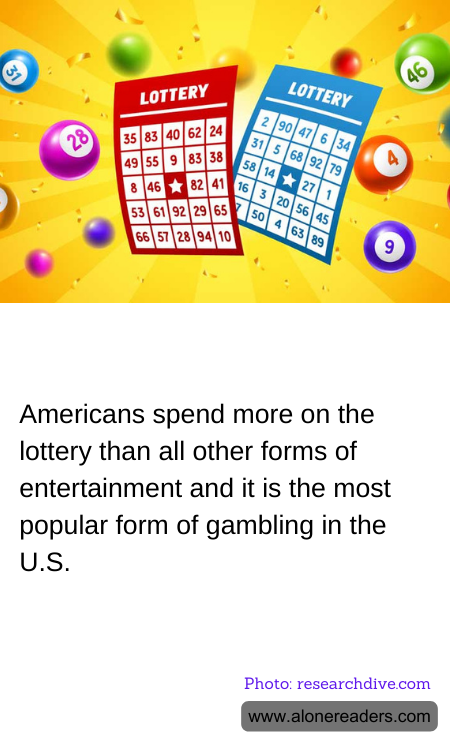
Americans' spending habits reveal a particularly striking obsession with the lottery, overshadowing all other leisure activities combined. Lottery games, from scratch tickets to multi-state draws like Powerball and Mega Millions, captivate millions with the promise of instant wealth, despite the staggeringly low odds of winning. This form of gambling not only garners more spending than movies, sports events, books, video games, and concerts combined, it continues to grow, both in terms of ticket sales and cultural presence.
In examining why lotteries outpace other forms of entertainment in economic terms, several factors stand out. Lotteries are accessible and ubiquitous, requiring no more than a few dollars and delivering instant gratification. Moreover, they are heavily promoted through advertising and supported by state governments—after all, a significant portion of lottery revenue benefits public sectors like education, parks, and emergency responders, adding a veneer of civic responsibility to the thrill of gambling.
The psychological allure of the lottery is equally potent. It provides a low-cost escape, a fun if fleeting diversion from daily struggles, and the universal appeal of hope. For the cost of a ticket, players buy the dream of life-changing wealth, a fantasy that can be savored until the numbers are drawn. This dream is particularly poignant in times of economic uncertainty, when the gap between economic classes seems to widen and ordinary paths to financial advancement become more arduous.
Despite its popularity, the lottery is not without its critiques. Critics emphasize its regressive nature, with lower-income individuals spending a larger proportion of their earnings on lottery tickets compared to higher-income groups. This dynamic can exacerbate the very financial problems players hope to escape, fostering a cycle of spending and disappointment.
Though other forms of gambling like sports betting and casinos are also popular, the lottery's unique combination of affordability, accessibility, and state endorsement keeps it at the forefront of American entertainment spending. ??? ?? ??? As long as the dream of a life-altering jackpot remains compelling, the lottery will likely continue to hold its prime position in American culture. Meanwhile, policymakers and community leaders face the challenge of balancing the economic benefits derived from lottery revenues with the need to protect vulnerable populations from potential harm.
