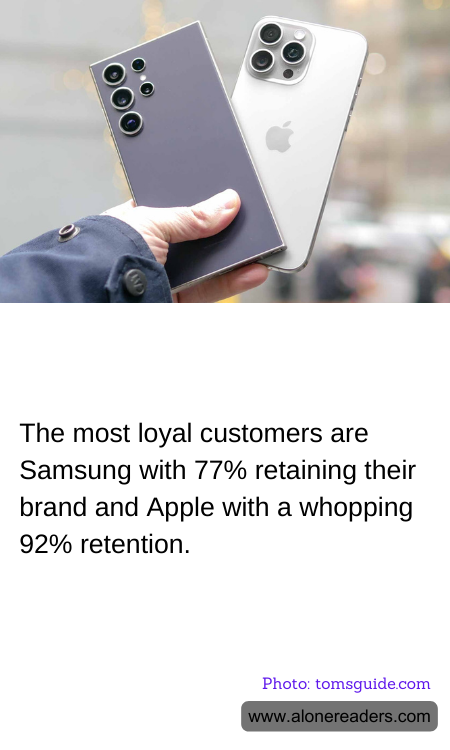
Brand loyalty is a powerful indicator of a company’s performance and customer satisfaction. In the world of technology, particularly among smartphones, Samsung and Apple stand out with impressive rates of customer retention. Apple, known for its ecosystem and innovative designs, leads with a retention rate of 92%. This percentage is reflective of how well Apple has managed to integrate various services and platforms, from hardware like the iPhone, iPad, and Mac to services like Apple Music, iCloud, and the App Store, creating a seamless experience that encourages loyalty.
Samsung, with a 77% retention rate, also boasts a strong following, owed largely to its innovation in screen technology, camera, and battery life. Its ability to cater to a wide range of consumers with differing needs and budgets through its diversified product offerings also helps maintain a strong customer base. Unlike Apple, Samsung devices operate on the Android platform, which offers more flexibility and customization options that appeal to a broad audience.
The reasons behind such high retention rates for both companies also involve continuous investment in technology and user-centric design. Apple’s software updates and customer service are renowned for their efficiency and help in strengthening customer trust. Similarly, Samsung’s push for innovation, exemplified in its foldable phone line, attracts tech enthusiasts looking for the cutting edge in smartphone technology.
Both brands have cultivated strong community feelings among users, further enhancing customer loyalty. Apple’s branding strategy, emphasizing creativity, simplicity, and premium quality, resonates deeply with its users. Meanwhile, Samsung’s approach to catering to varied user needs from high-end devices to more cost-effective models, ensures it maintains a broad appeal.
In conclusion, the high retention rates of Samsung and Apple highlight their effectiveness in maintaining customer satisfaction through continuous innovation, effective branding, and comprehensive ecosystems. These factors are pivotal in understanding the dynamics of consumer loyalty in the competitive tech industry.
