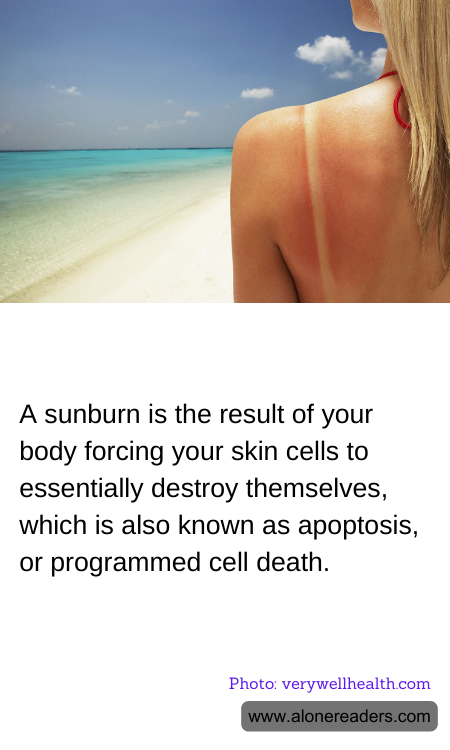
Sunburn is a common but harmful skin condition that occurs when ultraviolet (UV) radiation from the sun damages the DNA in your skin cells. Beyond just a painful redness, this cellular damage triggers a defensive response wherein the body activates apoptosis, or programmed cell death, to remove the impaired cells and prevent the development of serious issues like skin cancer.
When skin is exposed to excessive sunlight, the UV rays penetrate layers of the skin and cause direct DNA damage which disrupts normal cell function. The body, recognizing the potential threat of mutated cells becoming cancerous, initiates apoptosis to remove these damaged cells. This self-destruction mechanism is a critical part of the body’s attempt to prevent the propagation of faulty DNA.
However, the process of apoptosis contributes to the peeling and inflammation commonly associated with sunburn. This visible response includes redness, swelling, and the eventual shedding of outer skin layers. It's the body's way of clearing out cells that can't be reliably repaired, making room for new, healthy cells to replace them.
In addition to immediate sunburn care, understanding the cellular dynamics of sunburn can emphasize the importance of proactive sun protection. Effective preventive measures include wearing broad-spectrum sunscreens, which protect against both UVA and UVB rays, seeking shade during peak sun intensity hours, and wearing protective clothing such as hats and long sleeves. Not only do these actions help prevent sunburn, but they also reduce the risk of longer-term effects such as premature aging and the development of skin cancers.
Overall, the biological process of sunburn — from UV exposure to apoptosis — highlights the significant risks of sun exposure and underscores the critical need for consistent and comprehensive sun protection to maintain skin health.
