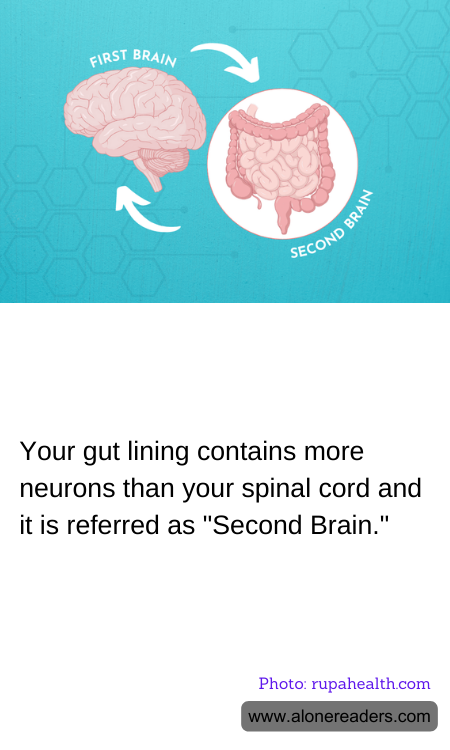
The human gut is an extraordinary system that is often referred to as the "second brain" because of its surprising abilities. This nickname primarily comes from the vast network of neurons embedded in the walls of the gastrointestinal tract. Astonishingly, this network, known as the enteric nervous system (ENS), contains over 100 million neurons—more than the spinal cord or peripheral nervous part of the nervous system.
This complex system of neurons embedded in our gut is so extensive that it can operate independently of the brain and the spinal cord, which makes the gut capable of its own reflexes and senses. These neurons control the gastrointestinal system, regulating everything from digestion to the intricate balance of water and electrolytes, the release of enzymes, and blood flow to different sections of the gut. The ENS can trigger digestive functions and react to potential threats like food toxins autonomously, without direct instruction from the brain.
The gut does more than just handle food; it also plays a crucial role in influencing our emotional health. The ENS communicates with the brain through nerves and hormones, which helps explain why an upset stomach can sour our mood and how stress can sometimes directly affect our stomachs. This bidirectional communication system is known as the gut-brain axis. Researchers have found that changes in this system may play a role in gastrointestinal conditions such as irritable bowel syndrome (IBS) and in neurological conditions including anxiety and depression.
Further showcasing the gut’s integral role in overall health is its interaction with the microbiome—the billions of bacteria that reside within the digestive system. These microbes can produce substances that affect the brain, such as neurotransmitters and other chemical messengers previously thought to be found only in the brain, such shock serotonin, which has a key part in controlling mood.
In conclusion, it’s clear that the gut is not only crucial for digestion but also plays pivotal roles in emotional health and disease. The exquisite complexity of the gut, rich in neurons and bustling with microbial activity, earns it the title of the "second brain." This recognition prompts further questions about how we treat digestive health and its impacts on overall well-being, suggesting a shift in how we think about and manage our health. Exploring and understanding the full capacities of this "second brain" will no doubt open new avenues in medical science and health treatments.
