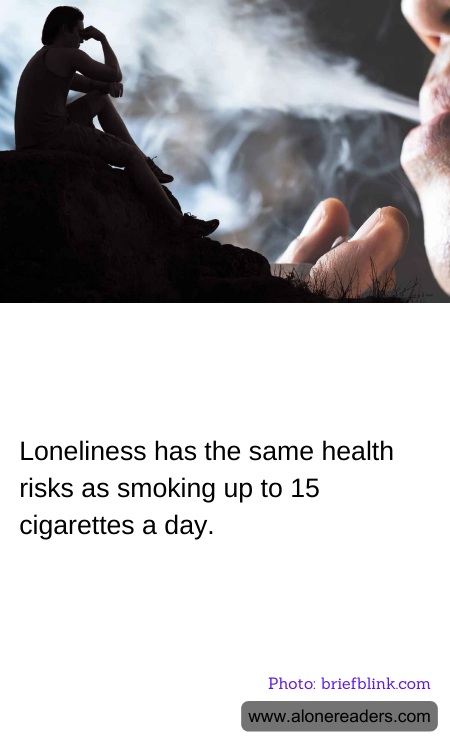
Loneliness has been increasingly recognized as a significant public health concern, one that impacts millions of people worldwide. Studies have shown that its effects on health are comparable to well-established risk factors such as smoking up to 15 cigarettes a day. This startling comparison underscores the potential risk that loneliness poses, not just to mental health but also to physical health.
The linkage between loneliness and poor health outcomes involves various mechanisms. Chronically lonely individuals are at a higher risk of developing a range of both physical and mental conditions. For instance, loneliness is associated with increased levels of stress hormones like cortisol, which can lead to inflammation, heart disease, and decreased immune function. Over time, these conditions can have severe implications, including a shorter lifespan.
Social isolation, which often goes hand-in-hand with loneliness, contributes to the deterioration of health by reducing physical activity and increasing behaviors like poor eating habits or smoking, which further increases health risks. Moreover, lonely individuals are less likely to seek medical help or adhere to medical advice, exacerbating existing health issues or creating new ones.
On the psychological front, loneliness is strongly linked to depression, anxiety, and decreased cognitive function. The emotional toll of feeling socially isolated can accelerate cognitive decline in older adults and increase the risk of dementia. Therefore, it's not only physical health that's at stake—mental well-being is equally compromised.
Addressing this issue, however, is challenging. It requires both individual and community effort. Promoting social connections through community groups, improving mental health services, and integrating social health into regular medical care are steps that can be taken to mitigate the impact of loneliness. Technology, too, offers promising solutions, with virtual interactions and social media playing a role in bridging connections among people. However, these too must be used judiciously to avoid replacing deeper, more meaningful human interactions.
The comparison of loneliness to smoking highlights a critical yet often overlooked issue that calls for comprehensive strategies for intervention and prevention. As society becomes more aware of the severe health implications of loneliness, more efforts may likely be directed towards combating this silent epidemic, fostering a healthier, more connected global community.
