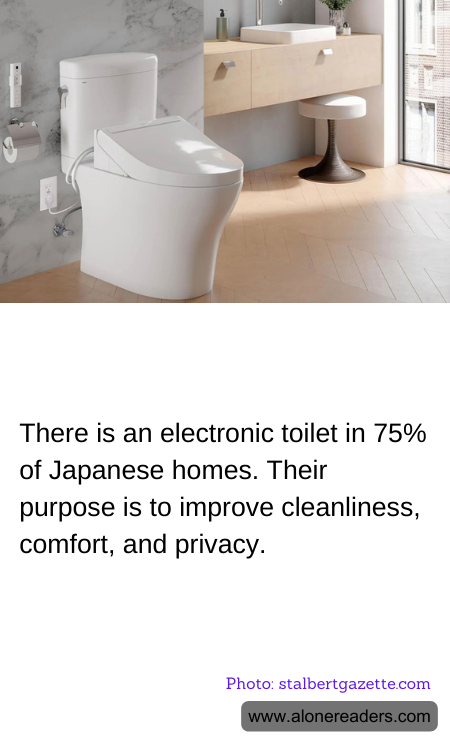
In Japan, the prevalence of electronic toilets has become a notable feature of modern households, with around 75% of homes equipped with this advanced technology. Known for their high-tech features, these toilets go beyond the basic functionalities to offer improved cleanliness, comfort, and privacy, aligning well with Japan's cultural emphasis on hygiene and innovation.
The electronic toilet, often referred to as a "washlet" or "smart toilet," includes features such as bidet washing, seat warming, and air drying, all tailored to promote personal cleanliness. The bidet feature, for example, is particularly valued for its ability to improve personal hygiene by using water jets for gentle cleaning, a more hygienic alternative to toilet paper. The temperature-controlled seats offer comfort especially in the colder months, while deodorizers and built-in sound systems ensure privacy and discretion.
Moreover, the advanced functions of these toilets also include automatically lifting toilet lids, energy-efficient settings that reduce electricity usage, and even health-monitoring options that can analyze waste to provide data on glucose levels or potential infections. This smart technology not only enhances comfort and cleanliness but also adds a layer of health monitoring that can be particularly beneficial for elderly users or those with specific health conditions.
The integration of these electronic toilets into such a large percentage of Japanese homes underscores a broader cultural acceptance and enthusiasm for embracing technology in everyday life, reflecting Japan's reputation as a leader in technological innovation and its societal commitment to cleanliness and hospitality. This widespread adoption has also sparked interest in other regions, with manufacturers increasingly looking to expand their markets internationally, adapting features to suit local preferences and regulations.
As these toilets become more common around the world, they bring with them not only the promise of enhanced sanitary conditions but also the potential for smarter, more connected living spaces. They are a testament to how technology can be used to improve the quality of life in the most intimate of settings—the bathroom—redefining our expectations and experiences of comfort and cleanliness in our homes.
