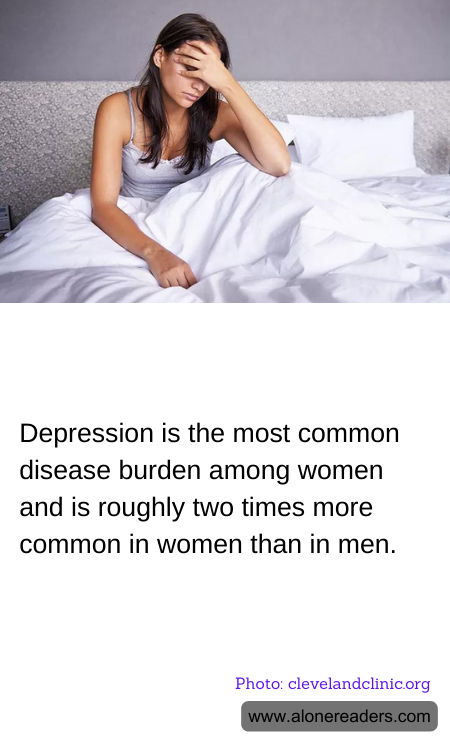
Depression stands as a significant public health issue, disproportionately affecting women around the globe. Various studies indicate that depression is almost twice as prevalent in women as in men, a discrepancy that starts to emerge from adolescence. This gender disparity in depression rates can be attributed to a complex interplay of biological, hormonal, and socio-cultural factors.
Biologically, hormonal fluctuations are often pointed out as a major contributor. Women experience various hormonal changes throughout their lives, more than men, notably during puberty, menstruation, pregnancy, postpartum, and menopause. These fluctuations can affect mood-regulating chemicals in the brain, making them more susceptible to depression. For instance, postpartum depression affects a significant proportion of new mothers, highlighting the impact of hormonal changes.
Moreover, women are generally more exposed to socio-cultural stressors such as gender-based violence, income inequality, and the demanding roles of caregiving. The societal expectations to manage home and work life can also lead to increased stress levels, thereby enhancing the risk of developing depression. Women are also more likely to experience sexual abuse, which is a strong risk factor for developing mental health issues like depression.
Psychologically, women are more prone to ruminate on problems, a cognitive style linked to depression. Ruminating on negative thoughts can prolong and intensify depressive episodes, making recovery more challenging. This style of coping may further exacerbate feelings of worthlessness and hopelessness, core symptoms of depression.
Recognizing the need for gender-specific approaches in both prevention and treatment is essential. Mental health services need to be sensitive to the unique biological and socio-cultural experiences of women. Empowering women through education, providing support for working mothers, and addressing issues of violence against women are critical preventive measures. Additionally, treatment approaches might benefit from integrating strategies that address the specific kinds of stress and coping styles prevalent among women.
The provision of resources for early diagnosis and continuous support can alleviate the severity of depression and its impacts on women’s lives. Creating awareness about these gender differences in health could also help in reducing stigma, encouraging more women to seek help without fear of judgment. This approach not only enriches the understanding of depression among women but also furthers progress in achieving health equity for all genders. With mindful attention and action toward these disparities, society can ensure healthier lives for women and, by extension, healthier communities.
