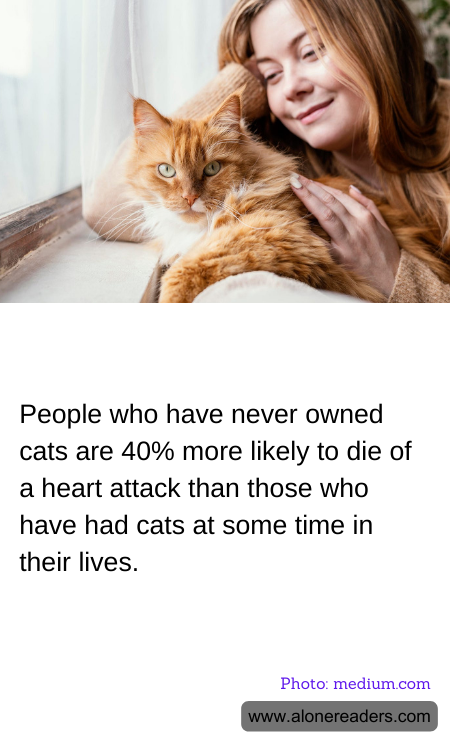
Various studies have highlighted the health benefits of owning pets, with a particular focus on the cardiac benefits associated with owning cats. Research suggests that individuals who have never owned a cat are at a significantly higher risk, estimated at 40%, of dying from a heart attack compared to those who have or had cats. This statistical finding underscores the broader health implications of pet ownership, which are believed to extend beyond simple companionship.
The presence of a cat can lead to decreased stress levels, lower blood pressure, and reduced anxiety, all of which are beneficial for heart health. Cats offer a unique form of calm and comfort to their owners, often through purring and physical closeness which helps to soothe the nervous system. This reduction in stress factors is paramount in heart attack prevention, as high stress and anxiety levels have been directly linked to heart disease and cardiac arrests.
Furthermore, the act of petting a cat has been shown to release endorphins in the brain, including serotonin and dopamine, which are known for their feel-good and calming effects. These biochemical interactions can lead both to emotional and physiological health benefits, improving overall heart function and reducing the likelihood of heart-related ailments.
Moreover, the routine of caring for a pet like a cat also contributes to its owner’s health. Although cats are relatively low-maintenance, the regular feeding, grooming, and playful interaction can provide physical activity and help maintain a daily routine, which are crucial for emotional and physical health. This engagement not only helps in keeping the mind active but can also moderate the body’s physiological responses, thereby promoting heart health.
It’s important to note, that while these studies provide insightful correlations, they do not necessarily imply a direct cause and effect relationship between cat ownership and reduced risk of heart attack. Other underlying variables, such as lifestyle choices, general health, and environmental factors, may also play significant roles. Regardless, these findings highlight an intriguing link that warrants further exploration, particularly in terms of how pet ownership could be strategically used in preventive health care and stress management strategies.
As more research unfolds, the hope is that we gain deeper insight into how relationships with pets, specifically cats, can be optimized for better health outcomes. For many, adopting a cat might just be a step toward a healthier heart and a happier life.
