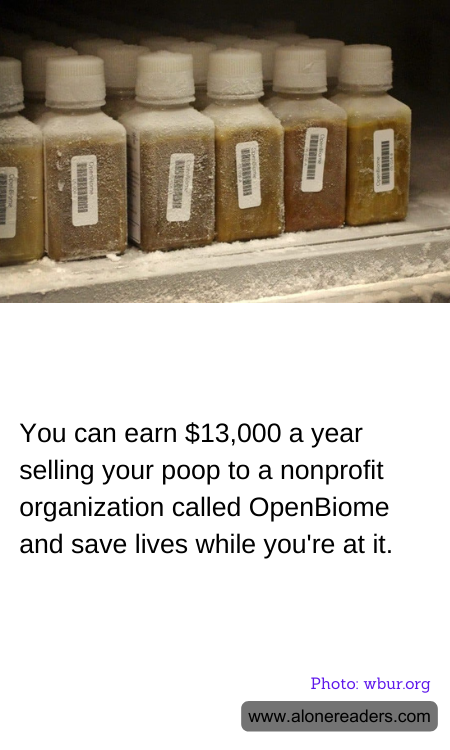
In an era where innovative solutions to medical problems are increasingly valuable, one might be surprised to learn that their next contribution to science could come from an unlikely source—their own gut. OpenBiome, a nonprofit organization, has leveraged this concept by offering individuals up to $13,000 a year for their stool donations. This initiative isn't just financially rewarding; it serves a crucial medical purpose by helping patients suffering from Clostridioides difficile infections—a debilitating condition that can cause severe diarrhea, colitis, and even death.
C. difficile infections are notoriously difficult to treat because they often become resistant to antibiotics. The traditional treatment methods can inadvertently kill beneficial bacteria in the gut, making it even harder for patients to recover. This is where fecal microbiota transplantation (FMT) comes in—an innovative treatment involving the transplantation of stool from a healthy donor into the intestinal tract of a patient. The healthy bacteria in the donated stool can restore the gut's balance of microorganisms, offering patients significant relief and a potential cure.
The role of donors in this process is crucial. OpenBiome thoroughly screens potential donors because the safety and quality of the stool are paramount. In fact, the screening process is so rigorous that fewer than 3% of applicants are accepted—making it statistically more challenging to become a poop donor than to get into a prestigious university! Once accepted, donors can earn up to $40 per donation, with the organization allowing multiple donations per week.
Apart from the financial incentive, donating stool is a way to directly impact the lives of those suffering from C. difficile. For many patients, this treatment is a last resort after all other options have failed, and the success rates have been impressively high. This not only underscores the effectiveness of FMT but also highlights the significant role that each donor plays in this life-saving process.
Furthermore, the research facilitated by contributions to OpenBiome extends beyond treating C. difficile. Scientists are exploring the potential for fecal transplants to address a range of other health issues, including autoimmune diseases, metabolic diseases, and even certain types of cancer. Each stool donation not only contributes to immediate patient care but also helps advance medical research in the field of microbiota.
In conclusion, participating in OpenBiome’s stool donation program offers a unique opportunity to earn money and contribute to groundbreaking medical research. More importantly, it provides a tangible way to help those in dire need of relief from debilitating illnesses, underscoring the profound impact that even the most humble contributions can have on the lives of others.
