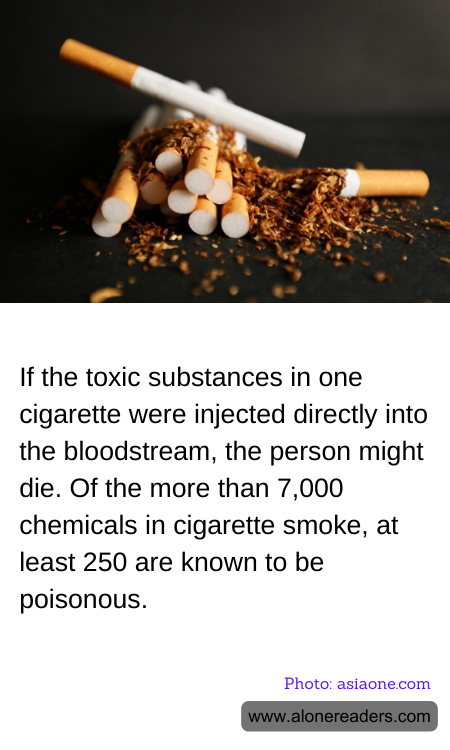
The contents of a single cigarette, if directly injected into a person's bloodstream, could prove to be lethal. This stark reality highlights the risk that smokers take every puff they take. Cigarette smoke contains over 7,000 chemicals, and out of these, at least 250 are identified as harmful, and 69 are known to cause cancer. Among the most dangerous are carbon monoxide, tar, formaldehyde, cyanide, and ammonia.
Nicotine, the addictive substance in cigarettes, could potentially cause immediate harm if injected directly due to its high concentration. Within the body, nicotine increases adrenaline levels, leading to heightened heart rate and blood pressure, which can result in severe cardiovascular issues if overdosed. The difference between inhalation and direct bloodstream injection is significant because the lungs and metabolic systems mitigate the immediate impact of these toxins when smoked. However, direct injection bypasses these natural defense systems, delivering the toxins instantly and in concentrated forms, overwhelming the body's ability to metabolize or manage them.
The sobering reality is that while the systemic injection of the chemicals within a cigarette can be immediately deadly, the gradual impact of smoking might not be instant but is equally fatal over time. Long-term exposure to the harmful chemicals in smoking not only increases the risk of throat, lung, and mouth cancers, but also contributes to heart diseases, respiratory problems, and a host of other health issues.
This stark comparison underscores the need for strong smoking cessation programs and increased awareness of the severe health risks associated with smoking. While the hazards of an immediate overdose of cigarette substances are a clear and present danger, the slow degradation of vital organ systems through prolonged exposure to tobacco smoke is a more insidious threat that broadly impacts public health worldwide. By understanding both the immediate and long-term effects of cigarette toxins, both smokers and non-smokers can better appreciate the critical need for effective public health strategies to combat smoking and reduce its devastating health impacts.
