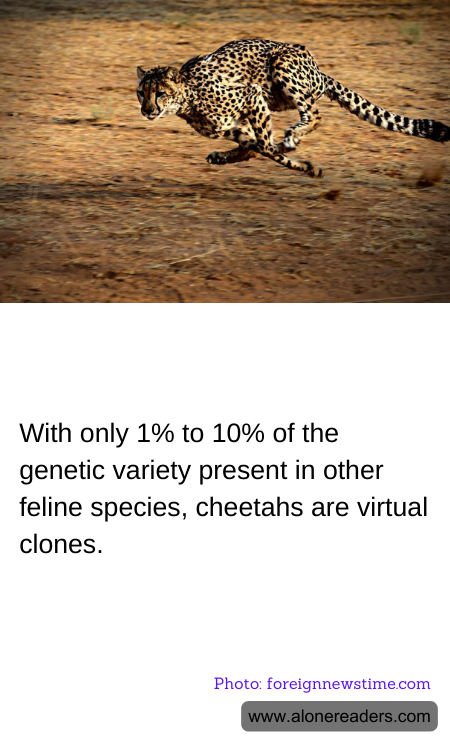
Cheetahs, known for their astonishing speed and striking spots, are a marvel in the animal kingdom, but they also present a stark example of the perils of genetic homogeneity. With genetic diversity estimates ranging from a mere 1% to 10% compared to other feline species, cheetahs are often described as virtual clones of each other. This limited genetic variation is a consequence of a historical bottleneck event that occurred around 10,000 years ago, during the late Pleistocene era, when a major environmental change led to a drastic reduction in their population.
This low genetic diversity manifests in several ways, critically impacting the survival and resilience of the species. For one, it results in weakened immune systems, making cheetahs more susceptible to diseases that other species might easily ward off. For example, they are prone to suffer from similar health issues that would typically be spread out across a more genetically diverse population, such as specific viral and bacterial infections.
Moreover, the lack of genetic variation can lead to higher mortality rates among cheetah cubs, and lower fertility rates among adults. The animals’ incredible similarity to one another also complicates breeding programs, which are essential for their conservation. Researchers and conservationists trying to manage and bolster cheetah populations often struggle with these genetic challenges, as introducing genetic variation is a complex and delicate task.
In response, conservation efforts have intensified, focusing not only on breeding programs that aim to carefully manage the genetic diversity that is left but also on protecting habitats and reducing human-animal conflicts. Other approaches include using advanced reproductive technologies, such as artificial insemination and embryo transfer with the hope of broadening the genetic pool among captive and wild cheetah populations. These efforts are crucial, not just for the survival of this unique species, but for maintaining the balance of the ecosystems where they play a vital role as top predators.
Thus, while cheetahs continue to enchant and awe the world with their beauty and speed, the genetic challenges they face are a stark reminder of the complex issues confronting wildlife conservation today. Ensuring the future of cheetahs involves a comprehensive strategy combining science, conservation, and community engagement to foster an environment where these remarkable animals can thrive.
