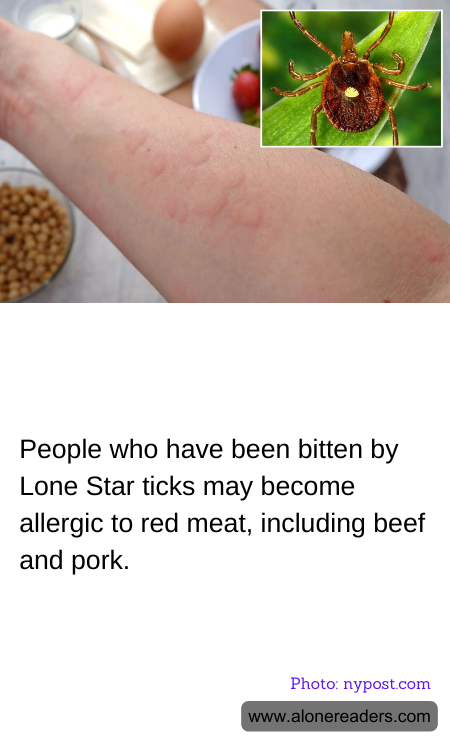
Ticks are often thought of as mere nuisances, carriers of Lyme disease, or catalysts for skin irritation. However, one tick, in particular, the Lone Star tick, has garnered scientific and medical interest for causing an unusual allergic reaction to red meat in those it bites. The Lone Star tick, recognized by the distinctive white spot on the back of the female tick, is found predominantly in the southeastern and eastern United States.
Research has pinpointed that the bite of this tick can lead to the development of alpha-gal syndrome, a severe allergic reaction to red meat such as beef, pork, and lamb. This condition arises due to the introduction of a sugar molecule called alpha-gal (galactose-alpha-1,3-galactose) into the victim's body through the tick’s saliva. Alpha-gal is also naturally present in most mammals, but not in humans or other primates, meaning that exposure through a tick bite can sensitize an individual’s immune system to react to it.
The symptoms of alpha-gal syndrome can range from mild to severe and may include hives, itching, swelling, stomach pain, and in some cases, life-threatening anaphylaxis—typically occurring three to six hours after consuming mammalian meat products. This delayed reaction further complicates the diagnosis and often leads to initial misdiagnosis.
Prevention strategies for avoiding Lone Star ticks are similar to those for other ticks. These include using tick repellents, wearing long sleeves and pants when in wooded or grassy areas, and performing thorough tick checks after spending time outdoors. For those already diagnosed with alpha-gal syndrome, the primary treatment is the complete avoidance of foods and products containing alpha-gal.
Noteworthy is the fact that alpha-gal syndrome seems to be a recent issue, surging in diagnosis over the past decade. This rise may be attributed to increased awareness and recognition by health professionals as well as a possible increase in the distribution of the Lone Star tick itself, potentially linked to climate change. This phenomenon highlights a complex interconnection between environment, organisms, and human health, underscoring the importance of ongoing research in the area to better understand and combat such emerging medical challenges. As such, awareness and education about alpha-gal syndrome are crucial for public health, especially in tick-prevalent areas, to prevent and manage the unexpected repercussions of a tick bite effectively.
