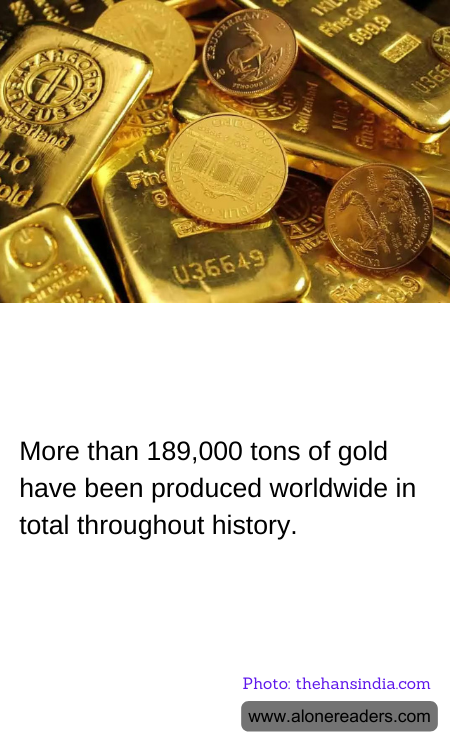
Gold has been a symbol of wealth and sophistication for millennia, with human civilizations mining and accumulating it since prehistoric times. As of the most recent estimates, over 189,000 tons of gold have been extracted globally, a figure that underscores not only the metal's enduring appeal but also the extensive human effort involved in its production.
The journey of mining gold spans back to ancient civilizations, with the Egyptians and Sumerians being early pioneers. These cultures not only mined gold but developed early methods of purification and alloying. From burial artifacts like the famous mask of Tutankumun to the golden treasures of Mesopotamia, these early uses of gold emphasize its role in cultural and religious significance.
In modern times, the largest quantities of gold have been mined post the 19th century following the California gold rush in 1848, which set off a frenzy that reached across various continents including Australia and South Africa. This period marked a transformative time in the history of gold mining, leading to the development of several technologies and methods that enhanced the efficiency and volume of gold production.
Today, the production of gold is a major industrial enterprise, involving complex processes from extraction to refining. Countries like China, Australia, and Russia are currently the top producers, using both traditional mining techniques and sophisticated geological survey systems that help in locating gold reserves more accurately. Besides its ongoing demand for jewelry and ornamentation, gold plays critical roles in modern electronics and as a financial asset, with central banks and individual investors alike holding substantial quantities of this precious metal.
Despite its glamorous image, gold mining has its share of challenges. Environmental degradation, the displacement of communities, and the endangering of workers' safety are significant issues that cast a shadow on gold production. Efforts towards sustainable and ethical mining practices are ongoing, aiming to mitigate the negative impacts associated with gold mining. This journey from the earth to pure metal is filled with both achievements and obstacles, reflecting gold’s complex role in human history and contemporary society. As we continue to treasure and utilize this radiant metal, its story will likely evolve further, hopefully towards a more sustainable and equitable direction.
