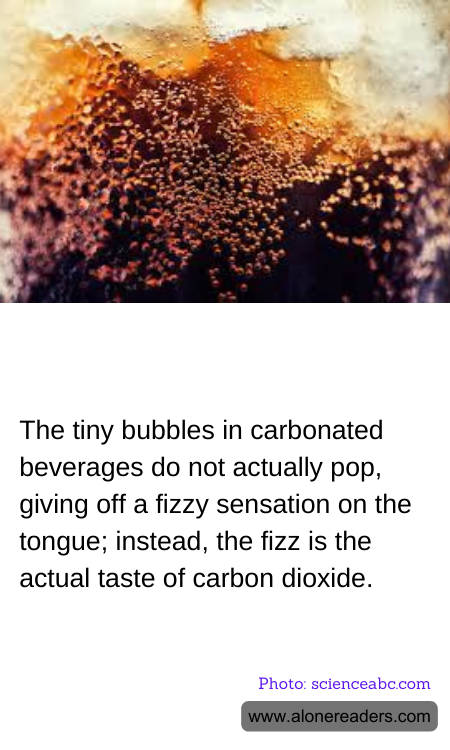
Contrary to what some might think, the fizzy sensation experienced when drinking carbonated beverages isn't from the tiny bubbles popping on the tongue. The experience is more chemically complex and involves the taste of carbon dioxide itself. When a carbonated drink is opened, the sudden decrease in pressure allows the carbon dioxide dissolved in the beverage to release as small gas bubbles.
These bubbles rapidly rise to the surface, carrying with them a burst of CO2. When the bubbles reach the tongue, they don't pop in the traditional sense most would imagine. Instead, they burst in a microscopic reaction that releases carbon dioxide directly onto the taste receptors of the tongue.
This sensation is interpreted by our taste buds as the fizzy, slightly acidic flavor typical of carbonated drinks. This experience is enhanced by the slightly tangy edge that carbon dioxide gives, creating a distinctive taste that enhances the flavors of the beverage. Moreover, the physical sensation of the bubbles bursting can contribute to the overall sensory experience, making fizzy drinks particularly refreshing and invigorating.
Thus, the characteristic fizz of sodas, sparkling waters, and other carbonated beverages is a multi-sensory experience combining taste, touch, and the chemical reaction of carbon dioxide with our taste receptors. It's a fascinating interplay of physics and chemistry happening right on our tongues, illustrating the complex nature of how we interpret flavors and sensations.
