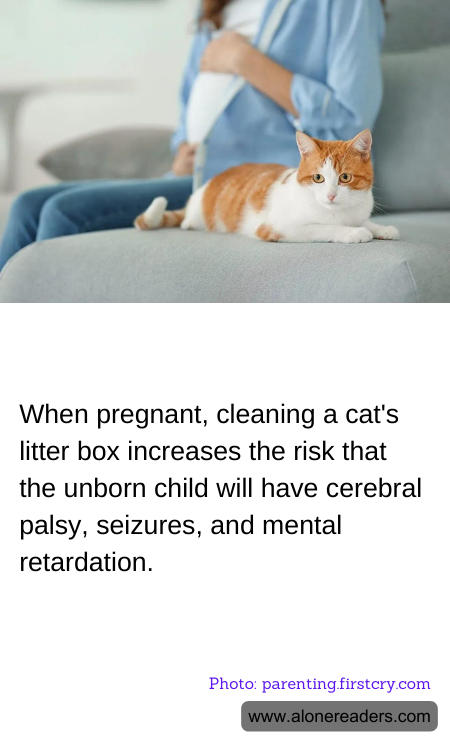
When managing cat litter during pregnancy, it is essential to understand the risks associated with Toxoplasma gondii, a parasite that cats can transmit through their feces. This parasite is the root cause of toxoplasmosis, a disease that, while often asymptomatic in healthy adults, can pose serious threats to an unborn child. Pregnant women are particularly cautioned against handling cat litter due to the risk of contracting toxoplasmosis, which can lead to severe birth defects and developmental disorders, including cerebral palsy, seizures, and intellectual disabilities.
Cerebral palsy is a group of disorders affecting a person's ability to move and maintain balance and posture. It is caused by abnormal brain development or damage to the developing brain, which can occur before, during, or shortly after birth. When a pregnant woman contracts toxoplasmosis, the Toxoplasma gondii parasites can cross the placenta and infect the fetus, potentially causing brain damage that results in cerebral palsy.
Additionally, the infection can also lead to seizures in the child. Seizures are sudden, uncontrolled electrical disturbances in the brain that can cause changes in behavior, movements, feelings, and levels of consciousness. Severe cases of toxoplasmosis in utero can result in epilepsy or recurrent seizures, significantly impacting the child’s quality of life.
Mental retardation, more appropriately called intellectual disability, refers to the below-average intellectual function and a lack of skills necessary for daily living. The exposure to Toxoplasma gondii during key stages of brain development can result in mild to severe intellectual disabilities, as the parasite can interfere with the normal development of brain functions and cognitive abilities.
Therefore, it is generally advised that pregnant women avoid changing cat litter. If no one else can perform the task, it’s crucial that the pregnant woman uses gloves and washes hands thoroughly afterwards to minimize the risk of infection. It can also be beneficial to keep cats indoors and to avoid feeding them raw or undercooked meats, as these can harbor Toxoplasma gondii.
By understanding the potential risks associated with toxoplasmosis and taking preventive measures, pregnant women can significantly reduce the chances of the unborn child developing issues like cerebral palsy, seizures, or intellectual disabilities._gchandle
