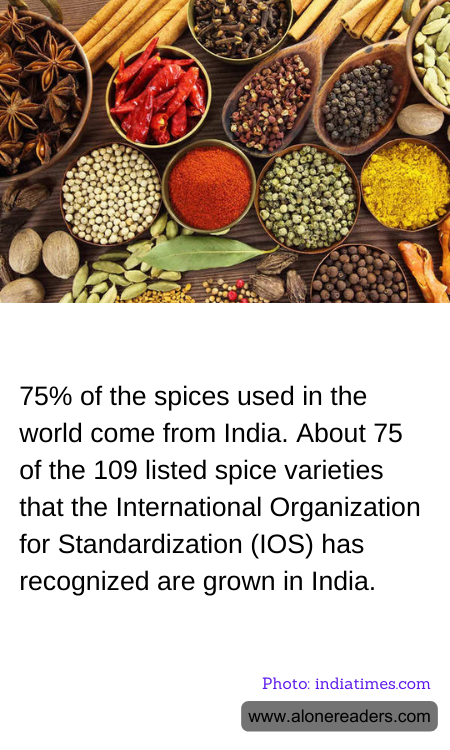
India, often referred to as the land of spices, contributes a major share to the global spice market, accounting for about 75% of the total spices used worldwide. This remarkable figure is underpinned by the cultivation of approximately 75 out of the 109 spice varieties listed by the International Organization for Standardization (IOS). The rich biodiversity and varying climatic conditions across the subcontinent make it an ideal place for the cultivation of a wide array of spices.
The history of Indian spices is as old as civilization itself, with references to spice trade dating back to ancient texts and historical records. Spices like turmeric, cardamom, black pepper, and ginger have not only been used in Indian kitchens but have also been major drivers in international trade, influencing historical routes and cultural exchanges. The importance of these spices transcends culinary uses, as they are also integral to traditional Ayurvedic medicine. Their roles in healing, digestion, and nutrition are well documented in numerous classical texts.
Today, Indian spices are exported to nearly every part of the world. States like Kerala, Tamil Nadu, and Karnataka are leading producers, especially of cardamom and pepper, while northeastern states like Assam and Manipur grow substantial quantities of ginger and turmeric. The spice farms in these regions are often small-scale operations that rely on traditional farming methods passed down through generations. This not only helps in maintaining the authenticity and flavor of the spices but also supports the rural economies.
Furthermore, the growth in the popularity of Indian cuisine globally has propelled the demand for these aromatic ingredients. More people around the world are becoming interested in not only the flavors but also the health benefits associated with these spices. Antioxidant properties and benefits in regulating metabolism are some of the health advantages that have caught global attention.
Despite the challenges of modern agriculture and global competition, India continues to maintain its dominance in the spice market through a combination of traditional knowledge and modern agricultural practices. Efforts from the government and various organizations in providing certifications and geographical indications have further strengthened the market position of Indian spices, ensuring that the legacy of the subcontinent’s spice trade continues to flourish in both domestic and international markets.
