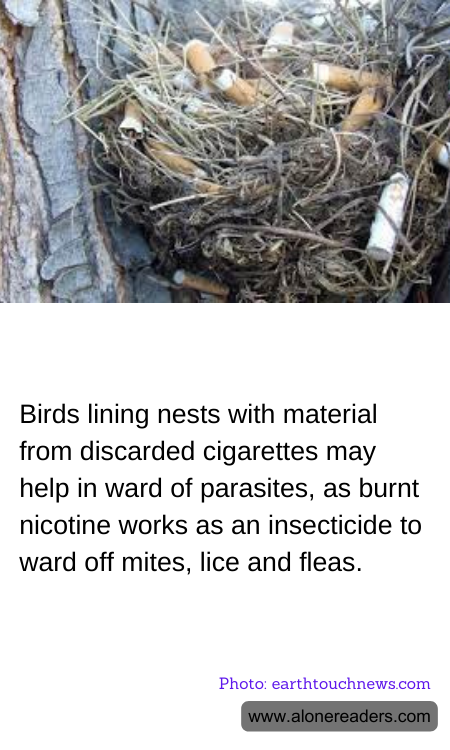
In the innovative world of animal behavior, a fascinating adaptation has emerged among urban-dwelling birds. Researchers have discovered that some birds are lining their nests with discarded cigarette butts, a behavior that initially puzzled scientists. Further investigation revealed that this unlikely material choice is not just a tale of urban survival but also a strategic move to protect their offspring.
The secret lies in the chemical properties of nicotine, a potent substance found in tobacco products, including cigarettes. Nicotine acts as a natural insecticide, deterring various parasites that can threaten the health and wellbeing of nesting chicks. These parasites, such as mites, lice, and fleas, are not merely a nuisance; they can cause significant harm by feeding on the blood of young birds, potentially leading to disease and decreased survival rates.
Birds such as house sparrows and house finches, which often nest in proximity to human habitation, have been observed incorporating cigarette butts into their nests. Although initially it seemed that these birds were using whatever materials were readily available, research suggests that there is a method to their madness. By weaving the cellulose fibers of cigarette filters, laden with residual nicotine, into their nest structure, these birds effectively create a protective barrier against harmful parasites.
Moreover, the amount of nicotine-laden material used appears to be correlated with the level of parasite infestation. Nests with higher numbers of parasites tend to contain greater quantities of cigarette debris. This implies a deliberate choice by the birds to enhance their young's chances of survival against the threat of infestation.
This behavior, while innovative, also underscores the adaptability of wildlife to the urban environment, highlighting how even harmful human waste can be repurposed by nature. However, it also raises concerns about the potential health implications for the birds themselves. While nicotine helps in controlling parasites, it is also a toxin, and the long-term effects on birds using cigarette butts in their nests are still unknown. Researchers continue to explore this complex interplay between urban wildlife and human waste, hoping to better understand the broader ecological impacts and the possible evolutionary adaptations that may arise from this unusual behavior.
In conclusion, the use of cigarette butts by birds to line their nests is a poignant example of nature's resilience and adaptability. It reflects an intricate balance between the benefits of using available resources to mitigate threats and the potential risks associated with those resources. As urbanization continues to encroach upon natural habitats, such interactions are likely to increase, presenting both challenges and opportunities for wildlife adaptation.
