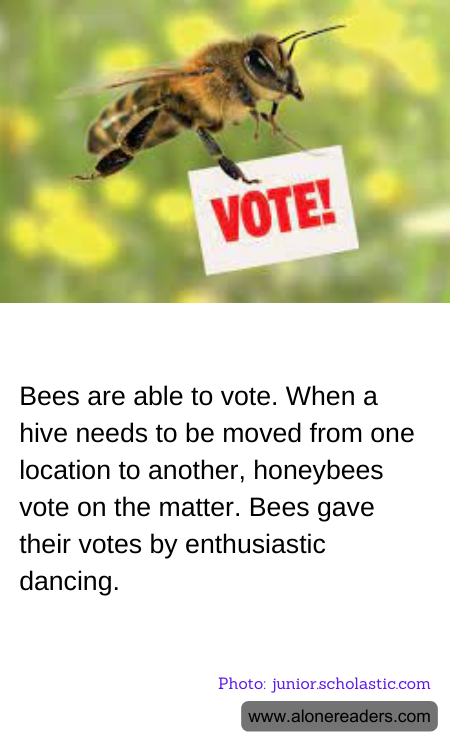
In the fascinating world of honeybees, the decision-making process for relocating their hive is remarkably democratic. When a hive becomes too crowded, or resources are depleted, the colony must find a new home. This decision is not made by a single leader but rather through a collective consensus among the bees, which can be likened to voting. The method they use is known as a "waggle dance."
This 'vote' occurs during what bee scientists call the "swarming process." Initially, scout bees, which are experienced foragers, depart from the colony to search for potential new sites. Upon finding a suitable location, these scouts return to the hive and perform the waggle dance. This dance is not merely an expression of joy but a sophisticated means of communication. The duration and direction of the wags in relation to the position of the sun communicate the distance and direction of the new site.
The more suitable the site, the more vigorously and frequently a scout performs the waggle dance. If other scouts agree with the find, they visit the proposed site and may return to perform the dance themselves, thereby increasing the number of endorsements for that location. Conversely, if a scout bee visits a site and deems it unsuitable, they will not perform the dance upon return. Over time, one location gains a majority of the dances, and the consensus grows.
Once a critical mass of approval is achieved for a specific location, the whole colony prepares for the move. This involves a sudden, coordinated departure of thousands of bees, including the queen, to their new home. This entire democratic process ensures that the decision is optimal based on the collective intelligence and experience of the group rather than relying on a single decision-maker.
Through this sophisticated method of 'voting,' bees maximize their survival by collectively analyzing and selecting the optimal new home. Their ability to communicate and make group decisions about something as significant as the location of their new nest underscores the complexity and efficiency of bee colonies. This intricate behavior is just one of many that illustrate the high level of social organization and cooperation among bees, making them one of the most fascinating subjects of study in the natural world.
