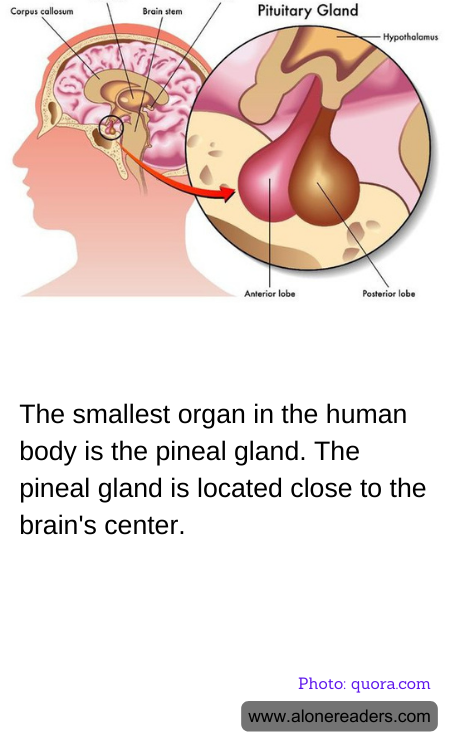
Tucked away near the center of the brain lies the pineal gland, the smallest organ in the human body. Often termed as the "third eye," this pea-sized gland weighs merely 0.1 grams and plays a crucial role in regulating various bodily functions. Despite its small size, the pineal gland has a profound impact on the human endocrine system.
The primary function of the pineal gland is to produce and regulate hormones, most notably melatonin. Melatonin is critical for controlling sleep patterns and circadian rhythms—the internal clock that guides sleep cycles, hormone release, body temperature, and other bodily functions throughout a 24-hour period. Essentially, it's melatonin that tells our bodies when it's time to sleep and when it’s time to wake up.
Beyond sleep, the pineal gland is thought to be pivotal in the process of aging and bodily rejuvenation. Lower melatonin levels are associated with aging and increased disease risk, leading researchers to explore the role of this gland in greater detail. Additionally, some studies suggest the pineal gland could play a part in regulating mood and protecting against neurodegenerative diseases by influencing antioxidant activities within the brain.
Furthermore, the pineal gland has been a subject of fascination not only in scientific circles but also in various cultural and spiritual contexts. Historically, it has been associated with mysticism and the metaphysical realm, regarded by some cultures as a connection to realms beyond physical perception.
Despite its prominence in both scientific and spiritual disciplines, there are still many mysteries surrounding the pineal gland due to its inaccessible location deep within the brain, making it a challenging area for researchers to study extensively. Nonetheless, advances in medical imaging and biotechnology promise to unfold more about this tiny but mighty gland in the coming years, potentially opening new pathways for treating sleep disorders and understanding human aging processes more comprehensively. Overall, the pineal gland, while small, is an indispensable part of the human body, influencing some of the most fundamental aspects of our health and well-being.
