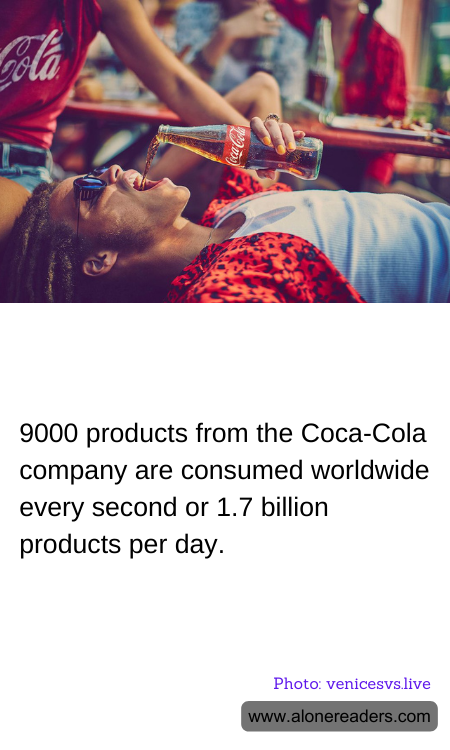
The global impact of the Coca-Cola company is staggering, with an estimated 9,000 of its products consumed every second. This adds up to an astonishing 1.7 billion products each day. The monumental reach of Coca-Cola's portfolio highlights not just a successful business model, but also an ingrained part of daily life in over 200 countries.
Coca-Cola’s expansive product lineup includes more than just the flagship Coke beverage. The company owns a myriad of other drinks including Sprite, Fanta, Powerade, and Minute Maid, each contributing to the colossal consumption figures. Interestingly, the ubiquity of Coca-Cola products is a direct reflection of the company's aggressive marketing strategies and widespread distribution channels. From remote villages in Africa to bustling metropolises in Asia and America, Coca-Cola’s red and white logo is universally recognized.
Moreover, the consumption stats offer a glimpse into the brand's deep cultural integration. Coca-Cola is often associated with moments of joy and celebration, such as holidays and family gatherings, making it more than just a beverage but a part of personal and collective memories across the globe. However, these staggering figures also bring attention to issues like consumer health and environmental impact. The debate over sugary drinks and their link to health conditions like obesity and diabetes is ongoing. Additionally, dealing with packaging waste and sustainability in manufacturing processes are challenges that Coca@-Cola and other beverage giants continue to face in the wake of environmental concerns.
Yet, Coca-Cola’s strategic pivot towards low-sugar and sugar-free alternatives, as well as its commitments to recycling and reducing plastic usage, reflect the company’s adaptation to both consumer health trends and environmental demands. As the consumption of Coca-Cola products continues at an immense pace, the company's ability to innovate responsibly could set the tone for the beverage industry’s future trajectory. With its enduring presence in every corner of the world, Coca-Cola's influence on global culture, economy, and the environment, is expected to remain significant, shaping consumer habits and industry standards alike for years to come.
