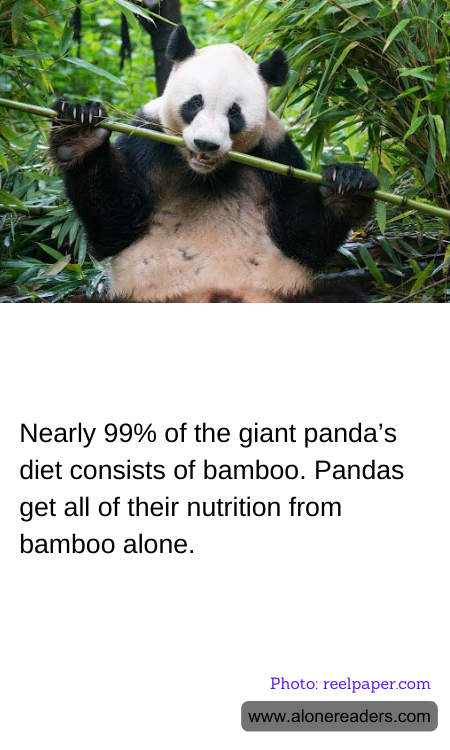
Giant pandas are one of the most beloved and iconic animals globally, primarily due to their distinctive black and white coloring and peaceful nature. An interesting feature of their existence is their highly specialized diet. Native to the mountainous regions of central China, these charismatic bears have adapted to survive almost exclusively on bamboo. Remarkably, bamboo accounts for nearly 99% of their diet, shaping not just their nutritional intake but also their behavior and habitat utilization.
Bamboo is a grass, and like all grasses, it grows quickly and in abundance, which is vital because a giant panda consumes a substantial amount of bamboo daily. An adult panda typically eats anywhere from 26 to 84 pounds of bamboo every day, depending on what part of the bamboo they are eating. They consume a massive volume partly because bamboo is not particularly nutrient-rich. To meet their dietary needs, pandas must eat a large amount of this plant. The low nutritional content of bamboo also means that pandas have a very low metabolism and prefer a sedentary lifestyle to conserve energy.
The panda's digestive system is also uniquely adapted for their bamboo diet. Unlike other herbivores that can digest cellulose efficiently, pandas have a digestive system more similar to carnivores. Despite this, they have a modified wrist bone that functions almost like a thumb, allowing them to hold and manipulate bamboo with great dexterity. In the wild, they will roam across large territories to find the most nutritious species of bamboo, as different types grow at different elevations and offer varied levels of protein and other nutrients depending on the season.
Despite their adaptation to eating bamboo, the reliance on such a specific food source also makes giant pandas particularly vulnerable to any threats to their food supply. Habitat destruction is a significant concern as it can lead to the fragmentation of their food resources. Conservation efforts have been crucial in rehabilitating the panda population, which once teetered on the brink of extinction. Efforts by conservationists include reforestation projects that ensure a continuous and ample supply of bamboo, which is essential for their survival.
As a flagship species for wildlife conservation, the giant panda exemplifies the impact of human activity on ecosystems and the urgent need for sustainable practices to protect these unique creatures and their habitats. Their diet, though restrictive, highlights the fine balance within ecological systems and the specific adaptations species undergo to thrive in their natural habitats.
