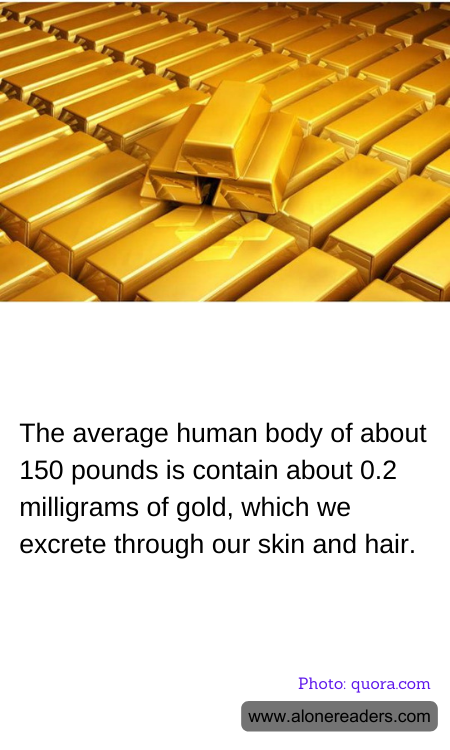
Gold, a highly valued precious metal, is not only used in jewelry, electronics, and investments but is also surprisingly found in the human body. The average human body, weighing about 150 pounds, contains approximately 0.2 milligrams of gold. This tiny amount of gold, however, is not concentrated in any particular part of the body like some other metals such as iron in the blood or calcium in the bones. Instead, it circulates in the bloodstream and is present in very low concentrations.
The presence of gold in the human body may seem intriguing considering its repute and value. However, it plays no known essential role in our biology. Unlike other elements that are critical to healthy biological functions, gold is considered biologically inert. Despite its lack of functional roles, researchers have explored the medical applications of gold, particularly in treatments for conditions such as rheumatoid arthritis where gold compounds are sometimes used to reduce inflammation.
Interestingly, the human body also naturally excretes gold through exfoliation of skin and shedding of hair. This biological elimination process means that traces of gold are continuously being removed from the body. Although the amounts excreted are minuscule, they highlight the dynamic nature of the elements that pass through our bodies.
While the thought of gold coursing through our veins can evoke a sense of wonder, it also underscores the complex and largely uncharted biochemical composition of the human body. Studies and advancements in biotechnology may one day unravel other mysterious roles trace elements like gold play in human health and disease. Until then, the trace amounts of gold serve as a minor but fascinating component of our body’s complex system.
