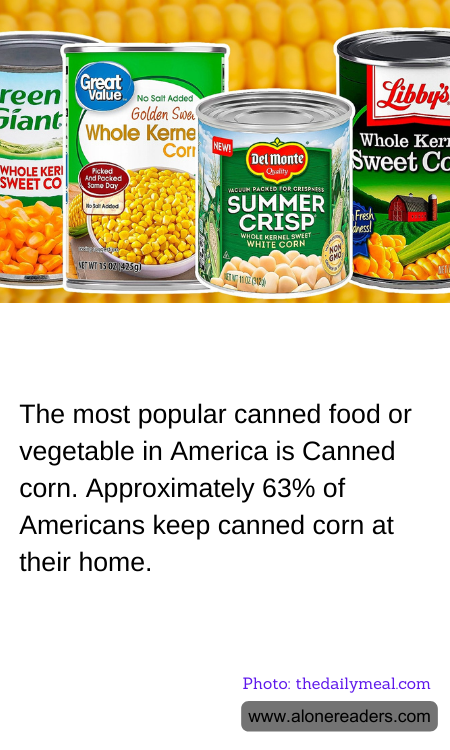
Canned corn is undeniably a staple in many American homes, with approximately 63% of households keeping it stocked on their shelves. This popularity can be attributed to its versatility, affordability, and long shelf life, making it a convenient option for families. Canned corn can be enjoyed in a variety of dishes, from soups and salads to casseroles and even breads, enhancing meals with its sweet, crisp texture.
The process of canning corn retains much of the vegetable’s nutrition, providing a good source of fiber, vitamins C and B, and important minerals like magnesium and potassium. The convenience of canned corn means that it is always seasonally available and can significantly cut down on cooking time, a much-appreciated benefit in today's fast-paced world.
Moreover, the ease of integration into multiple cuisines adds to its popularity. Whether it is used in traditional American recipes, incorporated into Mexican dishes like tacos and enchiladas, or added into Italian polenta, canned corn maintains its identity while complementing a variety of flavors. This adaptability has boosted its prominence in kitchens not just in the United States but globally.
As awareness about healthy eating grows, many consumers are also looking towards low-sodium varieties and those without added sugars, aligning with healthier diet trends. Brands are responding by offering organic and non-GMO versions, catering to the increasing demand for cleaner, more natural ingredients.
Despite some debate over fresh versus canned vegetables, canned corn remains a reliable pantry item for countless American families, proving its enduring appeal with its mixture of taste, convenience, and nutritional benefits. It's clear that for now, canned corn continues to hold its position as a favorite among American canned vegetables.
