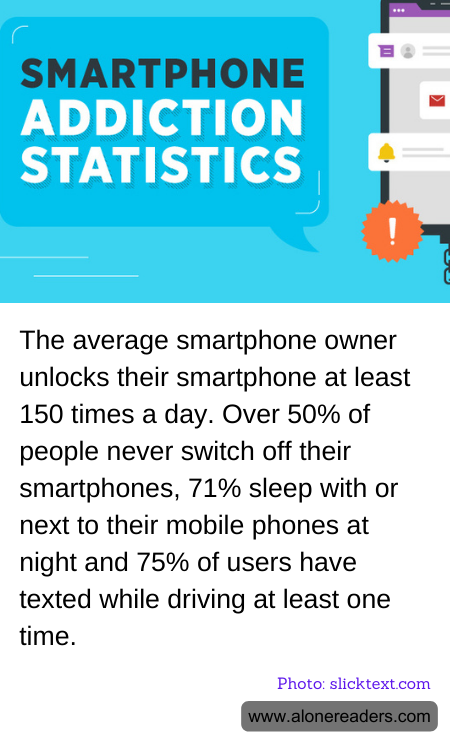
In the modern world, smartphones have become an integral part of daily life, significantly impacting our habits and behaviors. Statistics show that the average smartphone owner unlocks their device at least 150 times a day. This high frequency not only underscores the central role of smartphones in contemporary communication and information retrieval but also highlights the compulsive interaction many have with their devices. This constant engagement suggests a deep dependency on technology for social connectivity, entertainment, work, and essential daily tasks.
Moreover, over 50% of smartphone users admit to never turning their devices off, essentially keeping them on 24/7. This continuous operation can have several implications, including the wear and tear on the device itself and the psychological effects of constant accessibility and alertness to notifications. The statistic that 71% of people sleep with or next to their smartphones illustrates an even deeper level of dependency. This habit can affect sleep quality and overall well-known fact that blue light emitted by screens can interfere with the production of melatonin, the hormone responsible for regulating sleep-wake cycles.
Another critical concern is smartphone usage during driving. Approximately 75% of users have confessed to texting while driving at least once. This behavior is not only dangerous for the driver but also poses significant risks to others on the road. Texting while driving distracts the driver visually, manually, and cognitively, significantly increasing the chances of accidents.
These statistics paint a broader picture of how smartphones, while incredibly beneficial in many ways, also pose certain risks and challenges. They underline the need for greater awareness and more robust guidelines around smartphone etiquette and safety. It's crucial for individuals to manage their smartphone usage responsibly, especially in contexts such as driving, to ensure safety for all. Additionally, finding ways to disconnect occasionally and ensuring phones do not disrupt sleep are important considerations for maintaining overall well-being. The goal should not be to eliminate the use of smartphones but to integrate them into our lives in a way that respects both our health and our responsibilities to others and ourselves.
