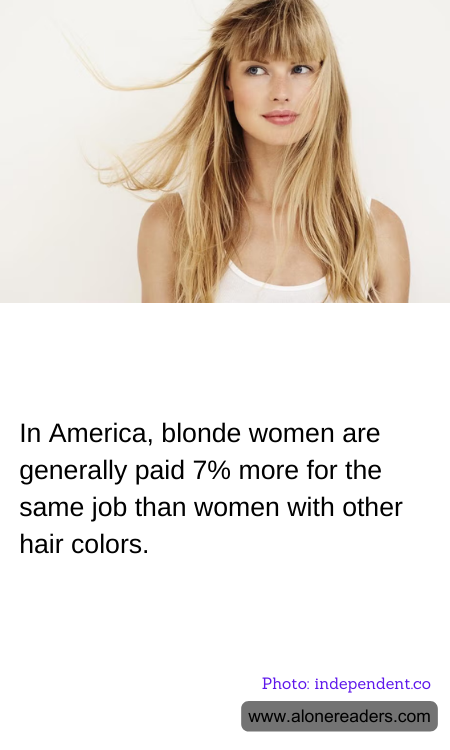
In the complex landscape of workplace dynamics in the United. States, hair color surprisingly plays a role in earnings differentials, with blonde women often earning more than their counterparts with other hair colors. Studies have shown that blonde women are generally paid around 7% more than women with other hair colors for performing the same jobs. This statistic not only highlights the often overlooked aspects of appearance-based discrimination but also raises questions about the subtle biases that influence professional environments.
The preference for blonde women and its impact on their earnings can be tied to deep-rooted societal perceptions and stereotypes. Blondeness has historically been idealized in various cultures, particularly in Western societies, and is frequently associated with youth, attractiveness, and higher social status. These stereotypes might inadvertently affect hiring practices and salary negotiations. Employers, whether consciously or subconsciously, might perceive blonde women as more appealing from a marketing perspective, believing they fit a certain corporate image that is likely to attract clientele or represent the company in a particular way.
Furthermore, this wage disparity touches on larger issues of gender and racial inequality in the workplace. It's essential to consider how these biases extend beyond the scope of hair color, affecting how all women, especially those of color, are viewed and valued in their professions. The implications are significant, as they contribute to the ongoing challenges related to equity and inclusion within corporate culture.
Addressing these biases requires more than acknowledgment; it necessitates active efforts from companies to implement policies that combat discrimination. This could include standardized interview processes, transparent salary scales, and ongoing training sessions for HR and management teams to recognize and mitigate unconscious biases. Moreover, fostering a culture that values diversity and equality can help in gradually dismantling the stereotypes tied to physical attributes like hair color.
In conclusion, while it may seem trivial, the correlation between hair color and salary underscores the myriad of subtle biases that persist in the workplace, reflecting broader societal norms and prejudices. It is a clarion call for introspection and action among business leaders and policymakers to create a more equitable work environment where compensation is strictly based on merit and not marred by physical appearances.
