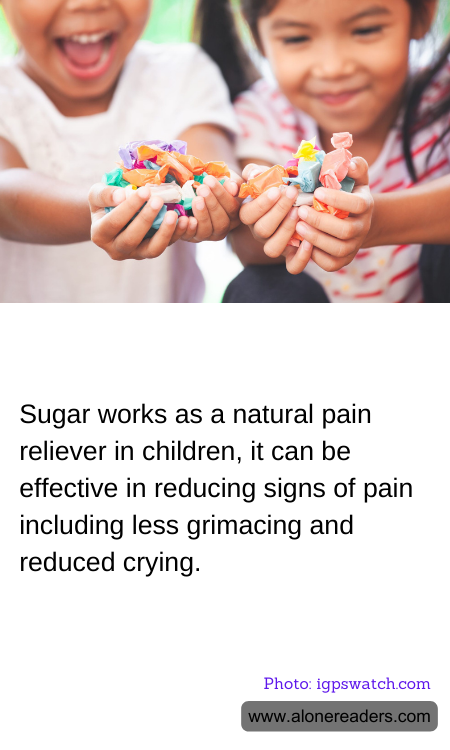
Sugar has been studied for its surprising role as a natural pain reliever in children, particularly newborns and infants. When babies undergo minor painful procedures, such as vaccinations or heel pricks, a small amount of sugar solution given before the procedure can significantly reduce their pain responses. This observation is based on the outcomes like decreased crying and reduced grimacing, making the process a bit easier for both the infants and their caregivers.
The science behind sugar as a pain reliever lies in its effect on the body's pain pathways. Sweet-tasting solutions are believed to release endorphins, which are the body's natural pain-killing chemicals. These endorphins help to block the transmission of pain signals to the brain, providing a soothing effect. Researchers typically use solutions made from sucrose or glucose, and these are administered orally through a small syringe or on a pacifier just a few minutes before a painful procedure.
The concentration of the sugar solution can vary, but studies have shown that even a low concentration can be effective in reducing pain. It is important to note, however, that while sugar can be effective in alleviating pain for short and minor procedures, it is not suitable as a pain management strategy for more intense or prolonged pain. Additionally, the use of sugar for pain relief is generally reserved for newborns and infants in a professional healthcare setting to ensure safety and correct dosing.
Pediatricians and neonatal experts advocate for the use of sugar as a pain mitigation tool during routine procedures for infants for its benefits of being non-invasive and readily acceptable by babies. It provides a practical method to manage procedural pain, potentially making the early days of a child’s life a little more comfortable.
While the potential of sugar in reducing pain during certain medical procedures offers an intriguing and gentle option, it’s crucial for further research to continue exploring all aspects of this application, including any long-term effects. As with any medical treatment, the guidance of trained healthcare professionals is essential to ensure the safety and well-being of young patients. Through dedicated research and careful application, this sweet solution holds promise as a helpful tool in pediatric care settings.
This strategy showcases a fascinating intersection between nutrition and pain management, serving as a reminder of the complex and multifaceted nature of treating pain, especially in the most delicate of patients like newborns and infants. This is just one illustration of how simple, natural solutions can sometimes harness powerful results in medical care, emphasizing the importance of ongoing research and innovation in pediatric health strategies.
